
Key Takeaways
- Spending roughly 1% to 4% of a property’s value each year on upkeep is widely considered a realistic benchmark for responsible ownership.
- Preventative care delivers one of the highest returns in personal finance, with every dollar invested potentially saving far more down the line.
- Fewer than half of homeowners follow any consistent care schedule, which is a major reason small issues balloon into costly emergencies.
- Breaking chores into short, repeatable monthly blocks is more effective than attempting a single overwhelming seasonal overhaul.
- HVAC filters, plumbing leaks, smoke detectors, and exterior drainage deserve routine attention because neglect quickly becomes expensive.
- A simple written checklist, basic tools, and 2 to 3 hours per month are usually enough to protect most properties.
- Documenting what you do each month creates a maintenance history that boosts resale value and simplifies insurance claims.
Master Monthly Home Maintenance Tasks Without Stress or Expense
Owning a house is often described as the largest financial commitment most people ever make, yet the ongoing care that protects that investment is rarely taught in any meaningful way. Many new owners discover the hard way that a mortgage payment is only the beginning. The real cost of ownership lives in the quiet work of inspecting, cleaning, and replacing small components before they fail.
The good news is that this work does not have to be expensive, time-consuming, or anxiety-inducing. With a predictable rhythm and a short list of priorities, the typical household can stay ahead of nearly every common problem. Research consistently shows that owners who follow a schedule spend less, worry less, and sell their properties faster when the time comes.
This guide draws on verified data and practical experience to explain what to do each month, why it matters, and how to keep the entire process affordable. Think of it less as a chore list and more as a long-term strategy for protecting your biggest asset.
Why Routine Upkeep Costs Less Than You Think
The sticker shock around property care is largely a myth driven by people who postpone work until something breaks. According to Angi, homeowners paid an average of around $3,200 annually, or roughly $265 per month, on repairs and upkeep in 2025. That figure covers everything from a replaced water heater to lawn care, which puts the real monthly commitment well within reach for most budgets.
Spread across the year, that amount is less than many families spend on streaming services and dining out combined. The trick is treating it as a planned expense rather than an emergency withdrawal. When you budget a predictable sum each month, a sudden $800 plumbing bill feels manageable instead of catastrophic.
Consumer Affairs also notes that homeowners should anticipate spending between 1% and 4% of their property’s value on upkeep annually. The percentage climbs for older houses, properties in harsh climates, and homes with features like pools or large yards. Knowing where your property falls on that scale lets you set a realistic reserve fund.
The Hidden Economics of Prevention
The financial case for consistent care is overwhelming once you look at the numbers. Deferred repairs are not just delayed costs — they are multiplied costs. Water that drips undetected behind a wall for six months does not simply cost a plumber’s hourly rate to fix. It damages drywall, insulation, framing, and often flooring on the level below.
Why Small Investments Yield Outsized Returns
Yahoo Finance reports that according to some analyses, a single dollar spent on preventative care can prevent $100 in future damages. That ratio is almost unheard of in personal finance. No stock, bond, or savings account offers that kind of guaranteed return, yet many owners ignore it because the benefit is invisible by nature.
Preventative work succeeds precisely when nothing dramatic happens. A furnace that keeps running quietly, a roof that sheds rain without complaint, and a sump pump that fires up during a storm are all evidence of good decisions made months earlier. Keeping that mindset in view makes it easier to justify the small expenses and short time commitments involved.
A Realistic Monthly Rhythm for Any Property
Building a workable routine starts with accepting that you cannot do everything at once. The most sustainable approach breaks home maintenance into small, repeatable blocks that align with how systems actually wear out. Air filters clog on a monthly cycle. Drains develop buildup gradually. Weatherstripping compresses with every door slam.
Here is a core set of monthly home maintenance tasks worth building your schedule around:
- Replace or clean HVAC filters, especially during heavy heating or cooling months
- Test smoke and carbon monoxide detectors and swap batteries when needed
- Inspect under sinks and around toilets for slow leaks or moisture staining
- Run hot water with a drain cleaner or enzyme treatment through kitchen and bathroom lines
- Walk the exterior perimeter looking for cracked caulking, loose siding, or clogged gutters
- Check fire extinguisher pressure gauges and expiration dates
None of these jobs requires special training. Most take under fifteen minutes. The compounding effect of doing them consistently is what separates a well-kept property from one that constantly surprises its owner with new problems.
Which Recurring Household Checks Matter Most Each Month
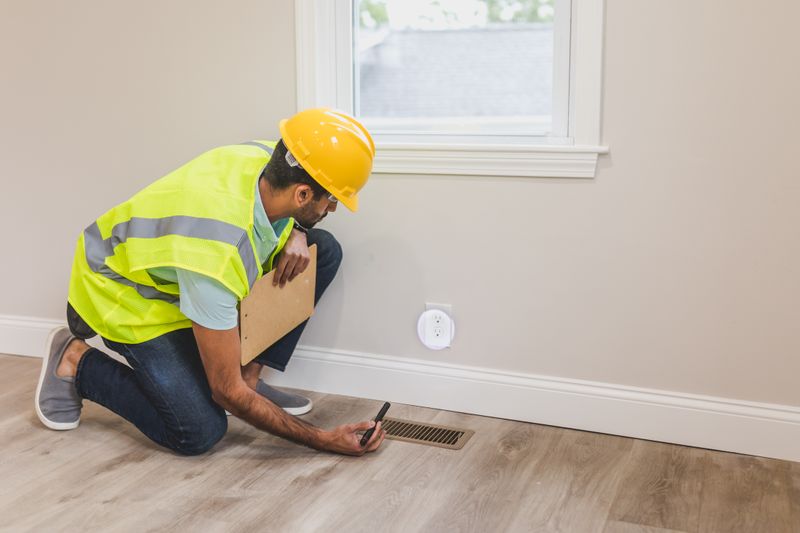
Not every chore deserves equal priority. Some systems fail gracefully with plenty of warning, while others go from working perfectly to catastrophically broken in minutes. Learning the difference helps you focus limited time on the highest-impact work.
Water intrusion is the single most destructive force in any structure, which makes drainage, plumbing, and roofing the top of any sensible checklist. Electrical and gas safety come next because the consequences of failure are immediate and dangerous. Cosmetic concerns like paint touch-ups and landscaping fall further down because delays rarely cause damage to escalate.
Big-Ticket Systems That Deserve Extra Attention
Your HVAC equipment, water heater, and electrical panel represent tens of thousands of dollars in replacement value. According to Self Reliant American, only about 30% of owners book regular HVAC preventive service, which helps explain why heating and cooling failures remain one of the most common emergency repairs. A quick monthly filter check and an annual professional tune-up extend the life of this equipment dramatically.
The structural envelope of your property deserves similar attention. Addressing foundation and roof repair at the first sign of trouble prevents the kind of cascading damage that insurance often will not fully cover. A hairline crack in a foundation wall or a single lifted shingle can be inexpensive to address today and devastating to ignore.
Why Most Owners Skip Upkeep and How to Avoid Their Mistakes
The behavioral data on home ownership is striking. Experts also found that fewer than 40% of owners stick to any consistent upkeep plan. The reasons tend to repeat themselves: lack of knowledge, no clear system, competing time demands, and the simple fact that nothing visibly rewards you for doing the work on time. A clean filter does not thank you. A dry basement does not send a notification.
Overcoming this inertia is less about willpower and more about design. Pair your monthly walkthrough with something you already do, like paying bills or changing bedding on the first weekend of the month. Pin a laminated checklist inside a utility closet door. Set a recurring calendar reminder with a specific thirty-minute window rather than a vague all-day event.
Common Excuses and Practical Counters
- “I don’t know what to look for.” Start with the six-item list above and add one new skill each quarter.
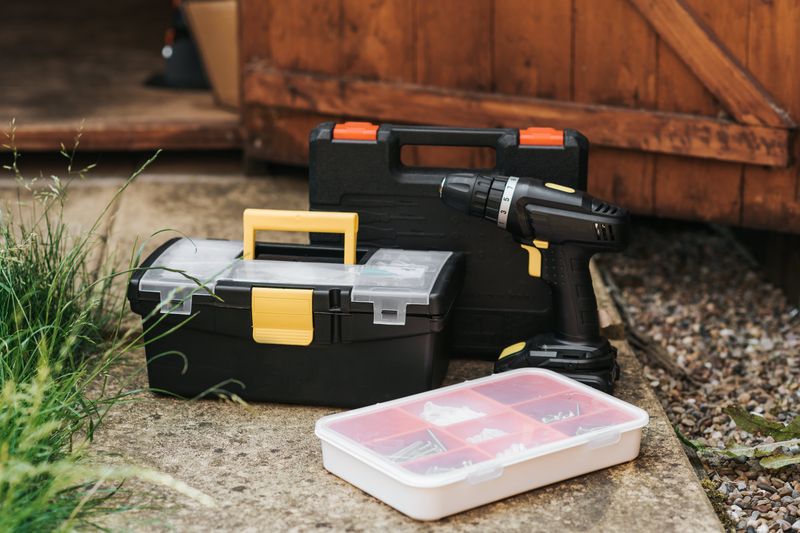
- “I don’t have the tools.” A flashlight, a screwdriver set, an adjustable wrench, and a ladder cover 90% of monthly inspections.
- “I’ll call someone when it breaks.” Emergency service rates typically run two to three times standard pricing, and after-hours plumbing or electrical calls routinely clear four figures.
- “My place is new, so it’s fine.” New construction has its own failure patterns, including settling cracks, grout gaps, and builder-grade fixtures that often need early attention.
The owners who stay ahead are not more disciplined by nature. They have simply removed the friction between knowing what to do and actually doing it.
Building a Checklist That Works for Your Property

Templates downloaded from the internet are a useful starting point, but the most effective schedule is one tailored to your specific structure, climate, and lifestyle. A desert bungalow and a lakeside cottage share almost no priorities beyond the basics. Spend an afternoon walking through your property with a notebook and recording every system, appliance, and surface you can identify.
Group those items by frequency. Some things genuinely only need annual attention, like chimney sweeping or septic pumping. Others benefit from quarterly checks, such as garbage disposal cleaning or garage door lubrication. The remainder forms your short monthly routine.
Keep the document somewhere you will actually see it. A shared note on your phone, a magnet-backed card on the refrigerator, or a simple spreadsheet all work better than an elaborate app you never open. Each time you complete a task, jot the date next to it. Over a year or two, you will build a history that proves invaluable when selling, filing an insurance claim, or diagnosing a recurring issue.
Tracking Your Work Pays Off Later
Documentation sounds tedious until the first time it saves you money. Buyers and their inspectors respond well to a binder or digital folder showing consistent care, and that confidence often translates into stronger offers and fewer repair concessions at closing. Appraisers factor condition into their valuations, and a documented history of monthly home maintenance tasks can tip a borderline comp in your favor. Insurance adjusters move faster on claims backed by clear service records, especially for roof damage, water intrusion, or HVAC failures where the age and upkeep of a system directly affect payout decisions. Contractors also quote more accurately when you can tell them exactly when a water heater was flushed or when the last chimney sweep came through, which cuts down on exploratory labor charges.
The record does not need to be fancy. Dated photos of a cleaned gutter, a receipt from a filter purchase, or a short note about a caulking touch-up all count. A simple spreadsheet with columns for date, task, product used, and cost will outperform any pricey home management app, mostly because you will actually keep it updated. Snap photos with your phone right as you finish a job, since the image metadata timestamps the work for you automatically. Keep model numbers and serial numbers for major appliances in the same spot, along with warranty paperwork and the names of any pros you have hired and liked. Store everything in one place, whether a cloud folder or a labeled accordion file, and back it up at least once a year so a dead hard drive does not erase years of diligent home maintenance. Future-you, or the next owner, will be grateful.
Conclusion
Caring for a property does not require deep pockets, specialized training, or weekends lost to drudgery. It requires a modest monthly commitment, a short list of priorities, and the willingness to treat small issues before they grow. The owners who approach the work this way spend less overall, sleep better during storms, and preserve the long-term value of what is usually their most important asset.
The real secret is that consistency beats intensity every time. Two or three focused hours each month will outperform an exhausting weekend blitz twice a year, and the compounding benefits accumulate quietly in the background. A filter changed on schedule, a leak caught early, a detector tested before it was needed — these are the invisible wins that define responsible ownership.
Start this month with the six core checks, document what you find, and build from there. Within a year, the routine will feel automatic, your reserve fund will stay intact, and the surprises that stress out most owners will largely pass you by. That is what stress-free, affordable property care actually looks like in practice.