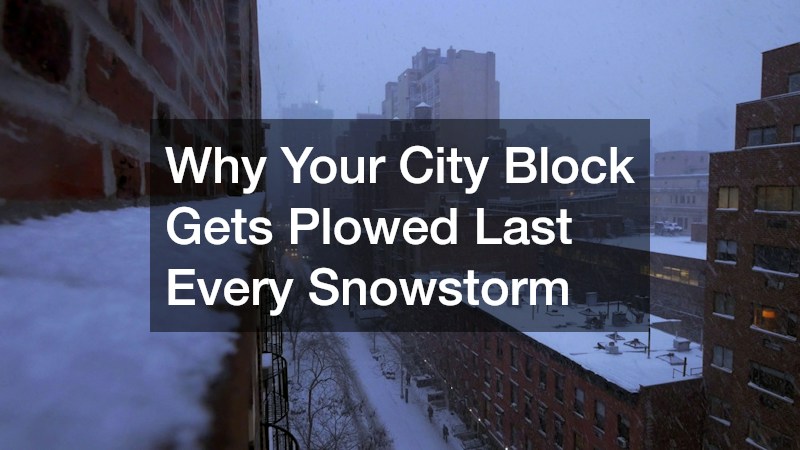

Every winter, the same frustrating pattern plays out on residential streets across the country: main roads and highways get cleared within hours of a snowstorm, while side streets and city blocks sit buried for days. If you have ever shoveled out your car only to watch a plow pile fresh snow back into your driveway, you know the frustration firsthand. Understanding how snow removal priorities actually work can help you plan better, avoid accidents, and know when to push your local government for change. This article breaks down the real reasons behind plowing order, the equipment involved, and what residents can do while they wait.
How Cities Rank Streets for Snow Removal
Most municipalities use a tiered priority system that ranks streets based on traffic volume, emergency access, and public transit routes. Highways, arterial roads, and streets near hospitals or fire stations are almost always classified as priority one, meaning they get plowed first and most frequently during a storm. Residential blocks typically fall into priority two or three, which means crews may not reach them until the primary routes are fully cleared and re-treated.
This system is not arbitrary. Cities have limited plow trucks and drivers, and spreading them thin across every street at once would slow down emergency response times everywhere. The tradeoff is that your block may wait hours or even a full day longer than a street just a few blocks away.
What Determines Which Streets Get Cleared First
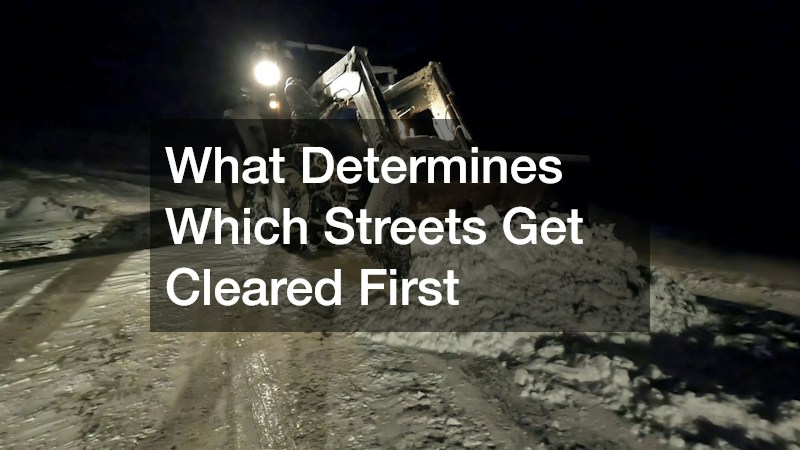
Beyond the basic tier system, several practical factors influence the exact order plows follow. Route efficiency matters a lot, since drivers are assigned loops designed to minimize backtracking and wasted fuel. Cities typically map these routes in advance, and a single plow driver might be responsible for 15 to 20 miles of roadway during a single shift, so every unnecessary turn or detour adds minutes that ripple across the entire route. A narrow dead-end block with few residences simply does not rank as high as a through street that connects two busy intersections. Traffic volume plays into this calculation directly: a street carrying a few thousand vehicles a day will almost always be prioritized over a cul-de-sac serving a handful of homes, because clearing it benefits far more drivers per plow pass. Street width and turning radius also factor in. Plow trucks are large, and a block too tight for easy maneuvering may get pushed later in the schedule simply because it slows the whole route down. Similarly, streets with steep grades or sharp curves often get bumped up in priority regardless of traffic count, since ice and snow on hills pose a much higher safety risk than flat terrain. Finally, dispatchers sometimes adjust routes in real time based on reported trouble spots, stalled vehicles, or emergency calls, which means the official plan can shift mid-storm even for streets that normally rank consistently in the rotation.
- Population density and number of households served, since clearing one mile of a dense urban street can help far more residents than the same mile in a sparse subdivision
- Presence of schools, daycare centers, or senior facilities, which push a street up the list to ensure safe routes before buses and staff arrive
- Whether the street is a designated snow emergency route, meaning it connects to hospitals, fire stations, or major highways
- Width of the street and ability for a truck to maneuver safely, since narrow streets lined with parked cars often require smaller equipment or multiple passes
- History of accidents or stuck vehicles in that location during past storms, which flags a street as higher-risk and worth prioritizing
- Grade and slope of the roadway, since steep hills ice over faster and become hazardous sooner than flat stretches
- Proximity to bus routes or transit lines that need to stay operational for commuters
Why Equipment Shortages Slow Down Side Streets
Many cities simply do not own enough plows to service every street simultaneously, and this is where the plowing experience varies dramatically by location. The quality and design of the plow itself also plays a role in how quickly snow gets cleared, since snow plow blade manufacturing has advanced significantly in recent years with wear-resistant edges and adjustable angles that cut clearing time. Older municipal fleets without updated equipment often move slower and require more passes to clear the same amount of snow.
Budget constraints are usually the real culprit behind equipment shortages. Replacing an aging fleet is expensive, and many cities stretch the life of their trucks far beyond what is ideal, which trickles down into slower response times for residential blocks.
How Private Contractors Fill the Gaps
When city crews are overwhelmed, some municipalities and private property owners turn to outside help to speed things along. Local commercial contractors are often hired to plow parking lots, private roads, and shopping centers that fall outside the city’s public responsibility, which frees up municipal crews to focus on public streets. This partnership model has become increasingly common as cities try to stretch limited budgets during heavy snow seasons.
Business owners and property managers frequently sign seasonal contracts with these companies well before winter begins, locking in service before the first storm hits. Residents who live near commercial zones sometimes benefit indirectly, since contractor trucks clearing a nearby lot may also clean up the adjacent curb or intersection.
The Hidden Costs of Delayed Plowing for Businesses
A slow-to-clear street does not just inconvenience drivers, it can disrupt entire business operations. Companies that need to relocate offices or receive deliveries during winter months often have to adjust timelines around unpredictable road conditions. Office moving companies frequently build extra buffer days into winter relocation schedules specifically because they cannot guarantee a residential or commercial street will be passable on the planned date.
Delivery trucks, moving vans, and service vehicles all face the same uncertainty, which can ripple into missed appointments and added costs. Planning any major move or delivery during peak winter months should always include a backup date in case your block is still waiting its turn.
What Happens When Snow Causes an Accident
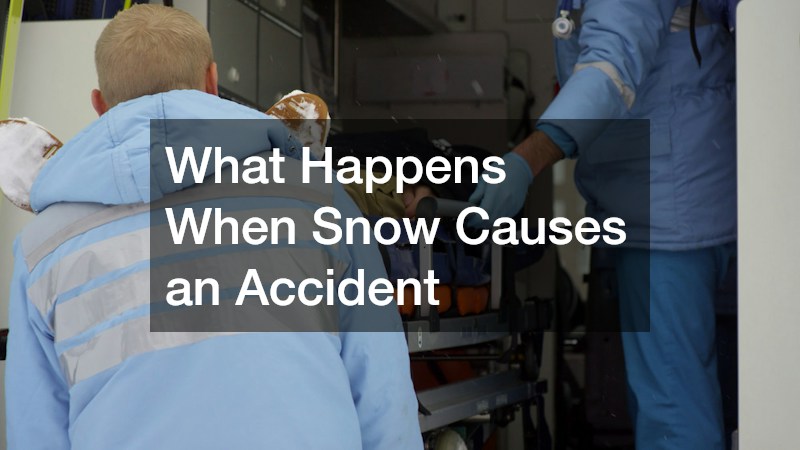
Unplowed or poorly cleared streets are a leading cause of winter fender benders, slips, and more serious collisions. When ice and snow buildup contributes to a crash, determining fault can get complicated, especially if a city’s delayed plowing played a role in the dangerous conditions. In these situations, consulting the best car accident attorney in your area can help clarify whether the city, a private contractor, or another driver bears responsibility.
Documentation matters enormously in these cases. Photos of the unplowed street, timestamps, and any available city plowing records can make a significant difference if you need to pursue a claim after a snow-related crash.
- Take photos of road conditions immediately after an incident
- Note the time and location, including nearby cross streets
- Request municipal snow removal logs if available through public records
- Keep copies of any towing or repair bills tied to the incident
- Report the incident to local authorities even for minor collisions
When Snow Removal Negligence Leads to Injury
Beyond vehicle accidents, snow and ice related injuries from falls on sidewalks or parking lots are extremely common during winter months. Property owners and municipalities have a legal responsibility to maintain reasonably safe conditions, and when they fail to do so, injured parties may have grounds for a claim. Personal injury lawyers who handle these cases often look closely at whether proper snow removal protocols were followed and whether warning signage was present.
If a fall results in significant medical bills or lost work time, reaching out to the best personal injury attorney you can find early in the process is usually worthwhile. These cases often hinge on timing and evidence, so the sooner you document the scene and seek medical attention, the stronger your position will be if you decide to pursue compensation.
Steps Residents Can Take While Waiting for a Plow
While you cannot control city plowing schedules, there are practical steps that make the wait more manageable and safer. Shoveling a clear path to your car and the street early can prevent packed-down ice from forming once temperatures drop overnight. Doing this before the snow gets compacted by traffic also makes the job significantly easier, since fresh snow is far lighter than snow that has been driven over repeatedly. Spreading sand or ice melt along your walkway and the curb near your car can also keep ice from bonding to the pavement, which saves effort later. Many hardware stores sell pet-safe or environmentally friendly options if you’re concerned about runoff into storm drains. It’s also worth clearing snow away from storm drains near your property, since blocked drains can contribute to street flooding once melting begins. Many cities also offer snow emergency alerts that notify residents when parking restrictions change, helping you avoid tickets or towing during active plowing operations. These alerts are typically available through city websites, text message sign-ups, or dedicated apps, and they often specify which streets fall under odd-even parking rules during a storm. Signing up in advance means you won’t be caught off guard by a 2 a.m. notification requiring you to move your car immediately. Finally, consider parking strategically before a storm hits, choosing a spot away from intersections and cul-de-sacs where plows often pile excess snow. If your street has designated snow routes, parking elsewhere entirely can save you from digging out a car buried under a foot of plowed-up snow the next morning.
- Move your vehicle off the street before declared snow emergencies, including overnight parking bans that often kick in at 2 a.m. regardless of forecast
- Sign up for city text or email alerts about plowing schedules, and check whether your city uses apps like Nixle or CodeRED for faster notifications
- Keep a shovel and ice melt accessible near your entryway, plus sand or kitty litter for traction if ice melt runs low
- Check your city’s public works website for real-time plow tracking maps, many of which use GPS data updated every few minutes
- Report unplowed streets through your city’s 311 or service request system, noting the exact cross streets and time so crews can prioritize accurately
- Clear storm drains near your curb of snow and debris to prevent meltwater from refreezing into ice once plowing finally happens
Knowing why your block gets plowed last will not make the wait any shorter, but it can help you plan smarter and stay safer until the trucks arrive. Whether that means signing up for alerts, documenting hazardous conditions, or knowing who to call if something goes wrong, a little preparation goes a long way during winter storms. Take a few minutes this season to check your city’s snow removal priority map and sign up for alerts so you are never caught off guard again.