
Maintaining a home is much more than painting walls and replacing flooring. When homeowners think about safety, they often consider alarms, locks, and smoke detectors. But true long-term safety begins with the very structure of the house itself. Foundation repair services, roof repair, and tree removal services stand out as essential components in protecting both the occupants and the property from damage that can arise slowly over time or suddenly after a storm. Addressing these elements proactively can prevent a wide range of costly repairs while providing peace of mind.
This comprehensive guide explains why each of these services matters, how they relate to other forms of home maintenance such as gutter repair, leak detection, and supporting systems like heating and cooling services, and how they contribute to long-term comfort, stability, and resale value. Understanding how these components work together allows homeowners to develop a truly holistic safety plan that covers every critical angle of home protection. In addition, learning to recognize early signs of structural issues empowers homeowners to act quickly before small problems escalate. By taking a comprehensive view of home safety, property owners can prevent damage that might otherwise be overlooked during routine upkeep.
The Foundation: The Literal and Figurative Base of Home Safety
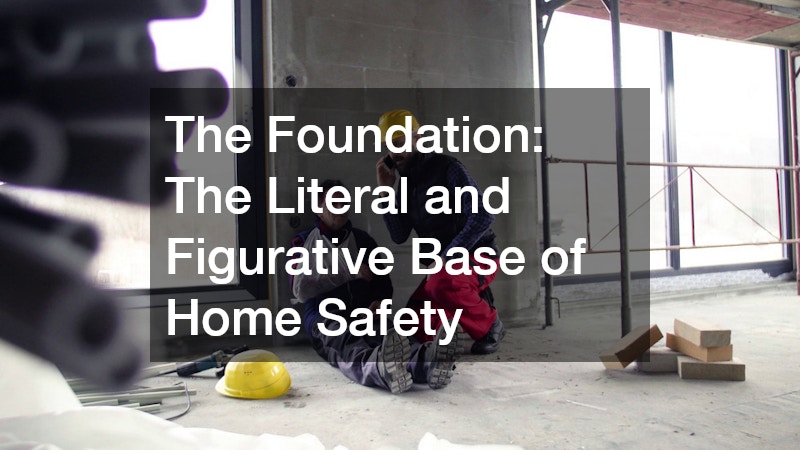
A house’s foundation isn’t just concrete or slabs under the soil — it’s the structural bedrock that everything else depends on. Without a stable foundation, walls can shift, floors can slope, and doors and windows may no longer fit their frames correctly. In severe cases, instability in the base of a house can even lead to partial structural failure. Professional foundation repair services involve inspecting the base of a building, identifying signs of stress such as cracks or shifts, and installing corrective systems like piers, wall anchors, or soil stabilization techniques that bring the structure back to a safe and level state. These professionals often provide guidance on moisture management and soil drainage to prevent future problems, ensuring the foundation remains solid for years to come.
Foundation specialists also evaluate soil conditions and the impact of seasonal weather changes. Expansive soils, common in many regions, expand and contract with moisture levels, causing pressure that can damage walls, floors, and support structures. Foundation repair services often include soil stabilization or grading adjustments to redirect water away from the home. By combining structural repairs with proper landscape management, homeowners reduce the risk of recurring foundation issues and maintain a safe living environment. In some cases, inspections also identify potential issues with nearby underground utilities, allowing homeowners to address multiple concerns in a single visit.
Why Foundation Issues Matter
The foundation supports every pound of weight above it. If it weakens, the effects ripple throughout the property. Common signs of foundational stress include cracks in interior walls, gaps around windows and doors, and uneven floors — signals that should never be ignored. Water is another major culprit. When soil doesn’t drain properly around the base of a home, moisture can seep into cracks and gaps, accelerating deterioration. Professional foundation technicians often work hand-in-hand with services that handle crawl space moisture control and vapor barriers to keep water out and reduce the risk of mold or even pest intrusion. These inspections may also reveal hidden issues like settling slabs or shifting footings that, if left unaddressed, could compromise the entire structure.
This type of preventive work not only protects the well-being of those living inside but also preserves the property’s resale value. A home with a verified foundation history inspires confidence from buyers and may command a better offer than one with visible structural concerns. Moreover, integrating foundation repairs into a broader maintenance schedule allows homeowners to identify related concerns, such as plumbing alignment or drainage system issues, which can affect both the foundation and interior spaces. Prompt attention to minor cracks or shifting also reduces the likelihood of more invasive foundation repair services later, saving time and money over the long term.
Roof Repair: Shielding the Structure From the Top Down
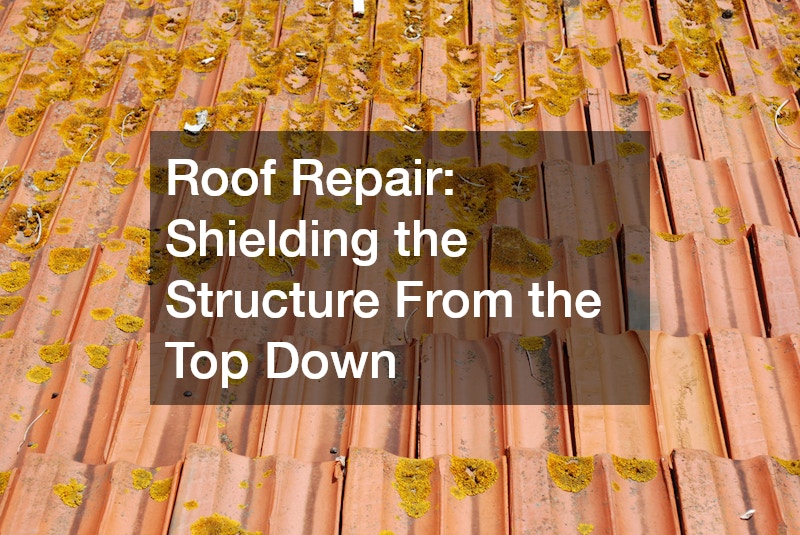
If the foundation is the base, the roof is the shield that protects everything underneath. A roof’s primary jobs are to keep water out and provide insulation from heat and cold. When that shield fails — even just through a minor leak — the consequences can be extensive. Even small roofing issues can let water penetrate into sheathing, insulation, ceilings, and walls, eventually leading down into crawl space areas. Once water gets into these vulnerable spots, it encourages wood rot and mold growth and can strain the heating and cooling services by forcing systems to work harder to maintain comfortable indoor temperatures. Timely roof repair helps prevent these cascading problems, keeping both structural and interior elements safe.
Regular roof repair isn’t just about replacing missing shingles or sealing leaks. Proactive maintenance extends the life of the roof, redistributes water safely through clean and functional gutters, and protects lower structural elements like framing and interior finishes. In addition, addressing roof issues early can help prevent pests such as birds, rodents, or insects from infiltrating the home, which can lead to further damage or health concerns. Seasonal inspections, especially before winter or after heavy storms, can uncover hidden damage before it worsens, preventing small issues from becoming emergencies. Scheduling preventive roof checks also allows homeowners to plan repairs in advance, reducing the stress and expense of emergency service calls. This approach ensures the roof functions optimally during every season, including periods of heavy rain, wind, or snow.
The Domino Effect of Roof Problems
Water that enters through a damaged roof will follow gravity into the attic, walls, and foundation below. Even a small, slow leak can saturate insulation, creating conditions where drywall deteriorates. Over time, these issues ripple downward, affecting flooring, structural connections, and the very base of the home. Roof repair and regular inspections help homeowners avoid this destructive chain reaction by addressing problems early, before they become emergencies. Routine maintenance also allows homeowners to check flashing, vents, and skylights — areas that are common weak points for leaks. By maintaining the roof and checking for hidden damage, homeowners can reduce stress on HVAC systems, prevent mold, and avoid costly interior repairs.
Roof inspections also tie into overall home efficiency. Damaged shingles or underlayment can allow heat or cold to escape, forcing heating and cooling services to work harder. By repairing roof damage promptly, homeowners can reduce energy bills while extending the life of interior HVAC systems. A well-maintained roof paired with proper insulation in the attic ensures the home remains comfortable throughout all seasons.
Tree Removal Services: Protecting Structures and Systems
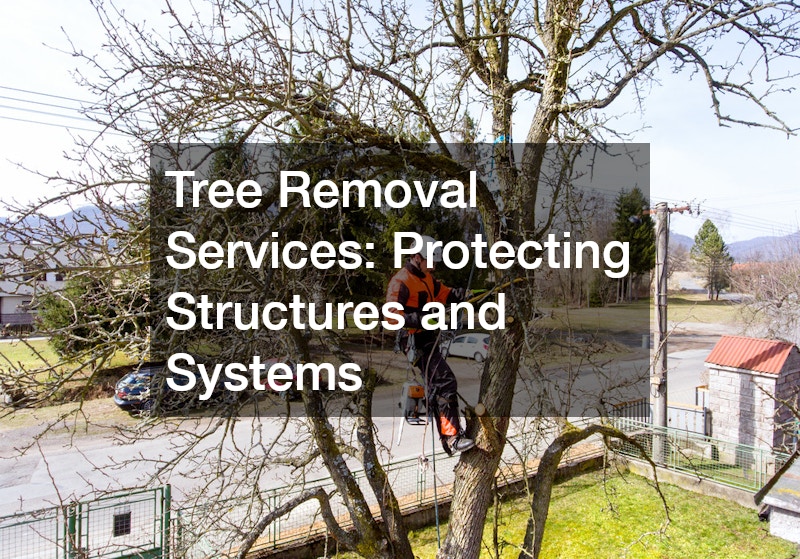
Trees provide shade, beauty, and environmental benefits — but they can also pose risks when they’re too close to a home. Overgrown or unhealthy trees can compromise roof lines during high winds, drop heavy branches on gutters or shingles, and even disturb the ground around foundations with aggressive root systems. Professional tree removal services ensure that trees are cut or pruned safely and strategically, reducing the risk of damage to nearby structures. Removing a threatening tree before it falls or loses limbs in severe weather can prevent a potential catastrophe that would otherwise require extensive roof repair or foundation work.
Roots and Foundations
Roots from large trees don’t just pose a risk from falling limbs. Root systems can grow under slabs and concrete, exerting pressure that leads to cracks or displacement. That’s why many foundation specialists recommend keeping major trees at least ten feet away from the perimeter of the house. By integrating tree removal into a home safety plan, homeowners not only protect exterior walls and roofs but also reduce the chance of moisture problems in the crawl space. Tree roots can prevent soil from draining properly, increasing the likelihood of pooled water that puts pressure on a home’s base. Even seemingly healthy trees can cause gradual, long-term foundation stress, making professional evaluation essential.
Tree removal services also help with debris management. Falling leaves and branches can clog gutters, leading to overflow, foundation damage, or basement leaks. Timely pruning and removal reduce fire hazards, especially in areas prone to dry conditions. Additionally, proper tree management allows for safer access to roofs, gutters, and exterior walls during maintenance, ensuring other repair work, like roof repair or gutter repair, can proceed efficiently. Pruning strategically can even enhance the health of remaining trees, preserving the property’s aesthetic while protecting structural integrity. In some cases, selective tree removal improves sunlight penetration, which can naturally dry out damp crawl spaces and reduce mold growth.
Other Elements of a Holistic Home Safety Strategy
Foundation repair, roof repair, and tree removal are critical anchors in a home safety plan, but they don’t operate in isolation. A well-maintained property involves multiple coordinated systems.
Managing Water and Gutters
Moisture control around a home’s exterior plays a pivotal role. A clogged or damaged gutter system can cause water to overflow near the foundation, encouraging soil saturation, erosion, and eventual movement. Routine gutter repair and cleaning keep rainwater and snowmelt flowing away from the house where it belongs. Properly functioning gutters complement both foundation and roof maintenance. They prevent water from pooling under roof edges, reducing leak potential, and they protect the soil under porches and around support piers from erosion.
Detecting Problems Early
Early leak detection is another key to reducing long-term damage. Moisture can take undetected paths behind walls, under floors, or into crawl spaces. Regularly using moisture meters, infrared inspections, or hiring a professional to check for hidden water intrusion can prevent extensive damage. Catching issues early means simple repairs can avert the need for more extensive work later. For example, detecting a slow roof leak early can keep minor water intrusion from causing mold or staining in the attic or ceilings. Some advanced leak detection services also identify slow sewer or pipe leaks that might otherwise remain unnoticed for years.
Coordinating Renovations and Moving
Sometimes maintenance coincides with other major life events, such as renovation or relocation. Good planning can make those transitions smoother. Hiring dependable residential movers to handle logistics and protect belongings during a move or remodel ensures that structural repairs like foundation work and roof overhaul can proceed without risk to personal property. Similarly, when interiors are refreshed or remodeled after major repairs, professional painters can help restore a property’s visual appeal. Painting walls after addressing underlying structural problems, moisture issues, or HVAC improvements leaves a home looking and feeling solid and cared for. Strategic coordination between moving, painting, and structural work reduces downtime and minimizes disruption to daily life.
Comfort and Energy Systems
A sound structure supports all interior comfort systems, especially heating and cooling services. When foundations settle or roof leaks introduce moisture, HVAC systems may struggle to maintain consistent indoor temperatures, working harder and losing efficiency. Ensuring structural and moisture barriers are intact helps climate systems perform better and last longer. Upgrading insulation in the crawl space or attic simultaneously with roof repair or foundation work maximizes energy efficiency, further enhancing the value of preventive measures.
Sewer and Drainage Considerations
Sewer service is another critical element of a comprehensive home safety plan. Improper drainage or damaged sewer lines increase the risk of water pooling around a foundation, which in turn can affect crawl spaces and flooring. Scheduling timely sewer inspections and maintenance prevents backups and water intrusion that could compromise other safety measures. A coordinated approach to foundation repair, roof repair, and sewer maintenance ensures that water management is handled at every level — above ground and below — protecting the entire home system.
Building Safety Into Every Season
Rather than reacting to emergencies, the most successful homeowners adopt a proactive maintenance schedule. Checking structural elements before storm seasons or winter weather arrives, scheduling foundation inspections, searching for early signs of roof wear, managing tree growth, and staying on top of moisture issues dramatically increase safety, comfort, and property longevity. Regularly consulting professionals for roof repair, foundation services, and tree management creates a coordinated approach that keeps the home safe and systems functioning efficiently year-round.
Incorporating professional services like foundation repair, roof repair, and tree removal into a routine safety plan isn’t just good maintenance — it’s an investment in peace of mind and financial security. A home that stands strong through time and weather not only protects those inside, but it also holds its market value and resists costly surprises. When paired with gutter repair, leak detection, heating and cooling services, residential movers, painters, and sewer service, homeowners can develop a fully integrated safety strategy that covers every potential risk area in the home. With careful attention to these critical elements, a home becomes a safe, durable, and comfortable space for years to come.