

It’s easy to assume your pet is healthy simply because they seem fine day to day, but many serious conditions develop silently long before any visible symptoms appear. Skipping a routine wellness visit might save you a little time and money now, but it often leads to bigger problems and bigger bills later. Understanding what actually happens during these visits, and what you risk by putting them off, can help you make a smarter decision for your pet’s long-term wellbeing. This article breaks down the real cost of skipping annual checkups, from health risks to your wallet.
Early Detection of Diseases That Show No Symptoms
Many common pet illnesses, including kidney disease, diabetes, and certain cancers, progress quietly for months or even years before an owner notices anything wrong. Cats and dogs are also biologically wired to mask pain and weakness, an instinct left over from their wild ancestors avoiding predators. This means a pet can look and act perfectly normal right up until an organ system is significantly compromised. By the time symptoms like weight loss, lethargy, vomiting, or increased thirst appear, the disease may already be advanced and harder to treat. Kidney disease, for example, often isn’t noticeable until roughly 75% of kidney function is already lost. At that stage, treatment shifts from simple management to intensive, costly intervention with a less certain outcome. Routine bloodwork and physical exams during annual visits are designed to catch these changes early, when treatment is simpler and more affordable. A standard senior wellness panel can flag elevated kidney or liver values, abnormal blood glucose, or early thyroid imbalances well before outward signs develop. Vets also check weight trends, dental health, and palpate the abdomen for masses that owners would have no way of detecting at home. Catching these conditions early doesn’t just save money — it often means the difference between a manageable, chronic condition and a medical emergency. A dog diagnosed with early-stage diabetes may need only dietary changes and monitoring, while one diagnosed after a crisis may require hospitalization. Annual screenings give veterinarians a baseline to compare against year over year, making subtle shifts easier to spot before they become serious.
Veterinarians are trained to notice subtle warning signs that pet owners typically miss, such as slight changes in gum color, abdominal tenderness, or irregular heart rhythms. A cat’s kidneys, for example, can lose up to 75% of their function before owners notice increased thirst or weight loss at home, while a dog’s heart murmur may go undetected for months without a stethoscope check. These small clues can point to conditions that are still in an early, manageable stage. Bloodwork and urinalysis add another layer of detection, often flagging problems like early-stage diabetes, thyroid imbalances, or liver dysfunction well before physical symptoms appear. Many of these conditions develop silently because animals are biologically wired to mask pain and weakness, a survival instinct that once protected them from predators but now works against early diagnosis. Catching a problem a year earlier can sometimes mean the difference between a simple medication adjustment and months of intensive treatment. It can also mean the difference between a five-dollar prescription and a several-thousand-dollar surgery or hospitalization. For pets, whose diseases often progress faster than in humans relative to their lifespan, that one-year window can be especially critical.
Dental Problems That Quietly Damage Overall Health
Dental disease is one of the most underestimated health issues in pets, with studies suggesting a majority of dogs and cats over the age of three show some sign of it. Left unchecked, plaque and tartar buildup can lead to painful infections, tooth loss, and bacteria entering the bloodstream. This bacteria can eventually affect major organs, including the heart, liver, and kidneys.
- Bad breath is often the first noticeable sign, but it usually means the disease is already progressing
- Untreated dental infections can require costly extractions or oral surgery later on
- Pets in pain from dental disease may eat less, leading to secondary nutritional issues
- Annual exams allow for early cleaning recommendations before infection sets in
Weight and Nutrition Changes That Sneak Up Over Time
Gradual weight gain or loss can be difficult to notice when you see your pet every single day. An annual visit provides an objective measurement and comparison against previous records, which often reveals trends owners simply can’t see on their own. Obesity in particular is linked to joint problems, diabetes, and reduced lifespan in both cats and dogs.
A checkup also gives you the chance to discuss diet, portion sizes, and activity levels with a professional who can tailor recommendations to your pet’s age and breed. Small adjustments made early, like switching food types or increasing exercise, are far easier than reversing significant weight gain after years of habit. Ignoring these conversations for multiple years in a row can allow minor issues to become chronic health conditions.
Grooming and Skin Concerns That Signal Bigger Issues
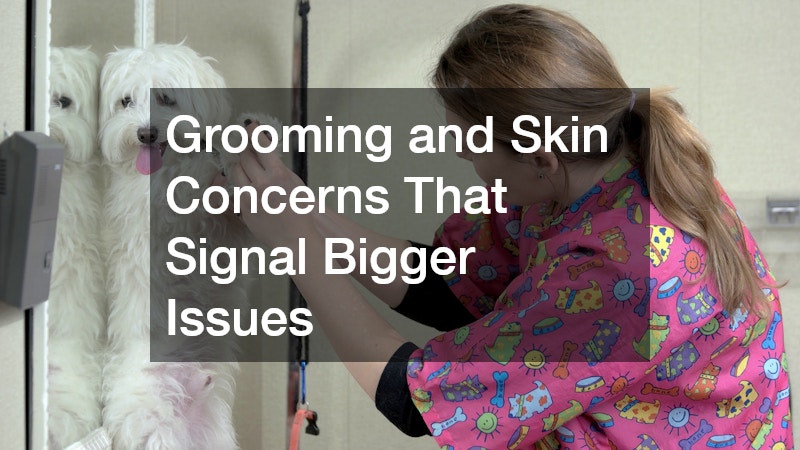
Skin and coat condition often reflect what’s happening internally, making them an important part of any wellness exam. Excessive shedding, dry patches, or matting can be signs of allergies, parasites, or hormonal imbalances that need further investigation. For cats especially, regular cat grooming during checkups helps identify mats, skin lesions, or lumps hidden beneath thick fur that owners might otherwise miss.
Skipping annual visits means these issues can go unnoticed until they become painful or infected, sometimes requiring sedation or minor surgery to correct severely matted fur. A professional assessment during a routine visit is a simple way to keep both the coat and the skin underneath it healthy. This is especially important for older cats, who often groom themselves less as arthritis sets in.
Vaccination Gaps That Leave Pets Unprotected
Vaccine schedules aren’t arbitrary, they’re based on how long immunity actually lasts against specific diseases. When annual visits are skipped, pets can fall out of protection windows without their owners realizing it, leaving them vulnerable to preventable illnesses like rabies, parvovirus, or feline leukemia. Some of these diseases are not only dangerous but also highly contagious to other animals in the household or neighborhood.
- Boarding facilities and groomers typically require proof of current vaccinations
- Lapsed rabies vaccinations can create legal and liability issues if a bite occurs
- Puppies and kittens need a specific vaccine series that adults do not
- Titers can sometimes be used to check immunity levels instead of automatic reboosting
The Financial Reality of Delayed Treatment
One of the most overlooked costs of skipping checkups is what happens when a preventable issue turns into an emergency. A minor infection or slow-developing condition that could have been treated with medication often escalates into a crisis requiring urgent, expensive care. A visit to the emergency vet for advanced illness or injury frequently costs several times more than a routine appointment would have, and the outcomes are often less certain.
Pet insurance and payment plans can help, but they don’t erase the stress of managing a health crisis that might have been avoided. Preventive care spreads costs out in small, predictable amounts rather than one large, unexpected bill during a difficult moment. Thinking of annual visits as a financial safeguard, not just a health one, reframes them as a smart long-term investment.
Skipping annual checkups might feel harmless in the short term, but the hidden costs, both financial and physical, tend to surface when you least expect them. Scheduling a yearly wellness visit is one of the simplest ways to protect your pet’s health and your own peace of mind. If it’s been more than a year since your pet’s last exam, use this as your reminder to book an appointment soon.