

You finally recreate that incredible dish from your favorite spot, follow the recipe you found online, and something is just off. The flavor is flatter, the texture is wrong, and you cannot quite figure out why. This happens to nearly everyone who tries to bring restaurant food home, and the reasons behind it have less to do with your cooking skills and more to do with the tools, techniques, and ingredients professional kitchens rely on. Understanding these differences can help you set realistic expectations and even close the gap a little the next time you cook.
Commercial Equipment Reaches Temperatures Home Stoves Cannot
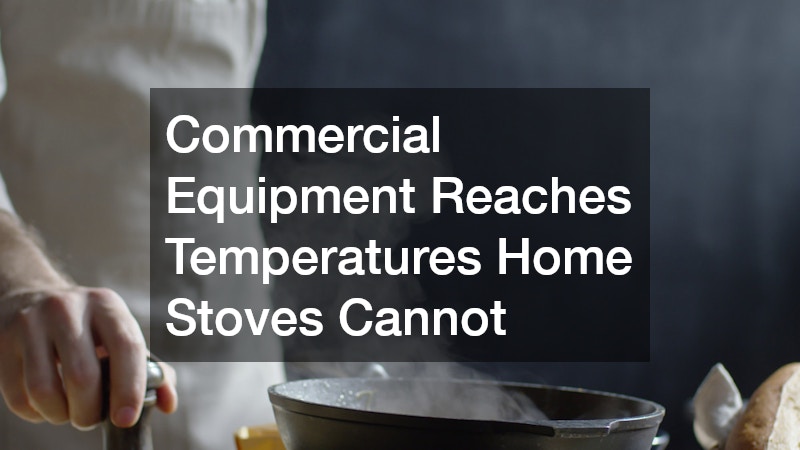
Professional kitchens use equipment built to generate and hold heat far beyond what a residential range can produce. Commercial burners, flat-top griddles, and pizza ovens routinely operate at temperatures two to three times hotter than a typical home stove. This intense heat creates a sear and char on meats and vegetables that home cooking simply cannot replicate, no matter how long you leave the pan on the burner.
That high heat also affects timing and moisture. A steak seared at a commercial temperature develops a crust in seconds while staying juicy inside, whereas a home stove needs more time to reach the same color, which dries out the interior. This single equipment gap explains a huge portion of the flavor and texture difference people notice.
- Commercial ranges often exceed 15,000 BTUs per burner, compared to 7,000 to 12,000 for home models
- Flat-top griddles distribute heat more evenly than a home skillet
- Professional ovens preheat faster and recover heat quicker after the door opens
- Salamander broilers add a finishing char that home broilers rarely match
Professional Kitchens Use Fat, Salt, and Sugar More Generously
One of the biggest secrets behind why restaurant food tastes so good is portion control on seasoning, or rather the lack of it. Chefs use butter, oil, salt, and sugar more liberally than most home cooks feel comfortable doing, and those ingredients carry flavor in ways that are hard to replicate with a lighter hand. A sauce that tastes rich and balanced at a restaurant often contains significantly more fat than a home version made with health in mind.
This is not necessarily a bad thing to know, since it lets you make an informed choice. You can still get closer to that taste at home by being more generous with quality butter or olive oil, tasting as you go, and salting in stages rather than all at once. The goal is not to overdo it, but to understand that professional recipes rarely hold back the way home recipes often do.
Fresh Ingredients and Same Day Prep Change Everything
A best restaurant experience often starts long before the food hits your plate, with kitchens receiving fresh deliveries of produce, meat, and seafood multiple times a week. Ingredients are prepped the same day they are used, which preserves texture, moisture, and flavor in a way that home ingredients sitting in the refrigerator for days cannot match. Herbs, in particular, lose potency quickly, so a dish made with herbs picked that morning will taste noticeably different from one made with herbs that have been in your crisper drawer for a week.
Sourcing also plays a bigger role than most people realize. Many kitchens work directly with specialty suppliers for items like fish, aged cheese, or specific cuts of meat that are not available at a typical grocery store. Without access to the same suppliers, home cooks are often working with a slightly different version of the same ingredient, which naturally leads to a different final result.
- Ask your grocery store butcher about specialty cuts or special ordering options
- Buy herbs and produce in smaller quantities more frequently for freshness
- Visit a local farmers market for ingredients closer to peak freshness
- Store delicate greens and herbs properly to extend their usable life
Recipes Rely on Techniques That Take Years to Master
Even with the same ingredients and similar equipment, technique closes or widens the gap significantly. Professional cooks repeat the same knife cuts, sauce reductions, and plating motions hundreds of times a week, building muscle memory that leads to consistency home cooks rarely have the repetition to achieve. Small details, like how finely an onion is diced or how long a sauce is reduced, change the final flavor more than people expect.
Timing is another underestimated factor. In a professional kitchen, multiple components of a dish are often finished within seconds of each other so that everything hits the plate at peak temperature and texture. At home, without a team coordinating each step, food often waits on the counter or stays in the oven a few extra minutes, which affects the final taste more than most people realize.
Catered and Large Batch Cooking Uses Different Methods Entirely
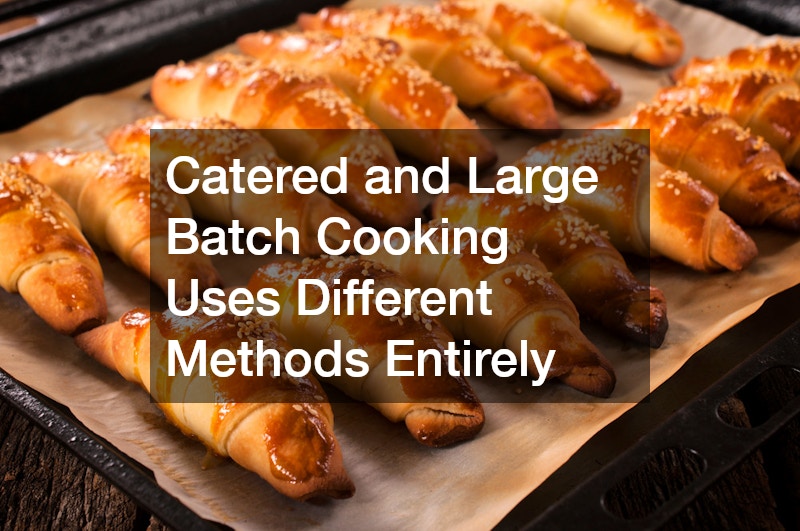
If you have ever ordered food for a party and wondered why it tasted better than anything you could make in bulk yourself, the answer often comes down to specialized large batch techniques. A bbq catering setup, for example, uses smokers, extended low and slow cooking times, and equipment designed specifically to keep large quantities of meat moist and flavorful for hours. These methods are difficult to scale down for a single household meal, which is why a home version of pulled pork or brisket rarely matches what shows up at a catered event.
Batch cooking also benefits from consistent temperature control over long periods, something that requires equipment most home kitchens do not have. Commercial smokers hold steady temperatures for six, twelve, or even eighteen hours without the fluctuations a backyard grill experiences. That stability is a major reason why smoked and slow cooked dishes from professional setups have a depth of flavor that is genuinely hard to reproduce at home.
- Low and slow cooking breaks down connective tissue more thoroughly with steady heat
- Commercial smokers maintain consistent temperature for many hours without monitoring
- Bulk cooking often benefits from resting and holding periods that improve flavor
- Wood type and smoke exposure time are carefully controlled in professional setups
The Dining Atmosphere Itself Changes How Food Tastes
Flavor perception is not just about the food itself, it is influenced by environment, and this is a factor people frequently overlook. Studies on taste perception show that lighting, background noise, plateware, and even the temperature of a room can change how sweet, salty, or rich a dish tastes to the brain. A dining setting is designed around this idea, with ambiance, plating, and presentation all working together to enhance the eating experience beyond just the food on the plate.
This means that even a perfectly recreated dish at home might taste slightly different simply because you are eating it in a completely different setting than the one where you first enjoyed it. Dimming the lights, plating food thoughtfully, and slowing down to actually savor a meal can make a noticeable difference in how satisfying it feels, even when the recipe is identical.
The gap between restaurant food and home cooking comes down to a combination of equipment, ingredients, technique, and even the environment surrounding the meal, not a lack of effort or skill on your part. Knowing these factors gives you realistic expectations and practical ways to close the gap, whether that means upgrading a piece of equipment, sourcing better ingredients, or simply slowing down to enjoy the meal. The next time a recipe does not turn out exactly like the version you remember, use this list as a checklist to figure out which factor made the biggest difference.