

Between packed school mornings, after-school activities, and the general chaos of family life, dental care is often the first habit to slip. Yet the routines you build now shape whether your kids grow up dreading the dentist or treating oral care as second nature. A few consistent habits, shared by the whole household, can prevent cavities, reduce anxiety, and save you from costly emergencies down the road. This guide breaks down exactly how to build a family routine that keeps every smile healthy, from toddlers to grandparents.
Set a Consistent Brushing and Flossing Schedule
Children thrive on predictability, and oral hygiene is no exception. Anchoring brushing to existing routines, like right after breakfast and right before bedtime, makes it far more likely to stick. Flossing tends to get skipped because it feels fiddly, but introducing floss picks for younger kids can make the habit less frustrating for everyone involved.
Adults benefit from the same consistency, even though it is tempting to assume grown-ups do not need reminders. Modeling the behavior you want your kids to adopt is one of the most effective teaching tools available. When parents brush alongside their children, it turns a chore into a shared activity rather than a battle.
- Brush for two full minutes, morning and night
- Use a timer or a song to help younger kids track the time
- Replace toothbrushes every three months or after an illness
- Floss once daily, ideally before the bedtime brush
- Keep supplies stocked so excuses do not derail the routine
Choose Age-Appropriate Tools and Products
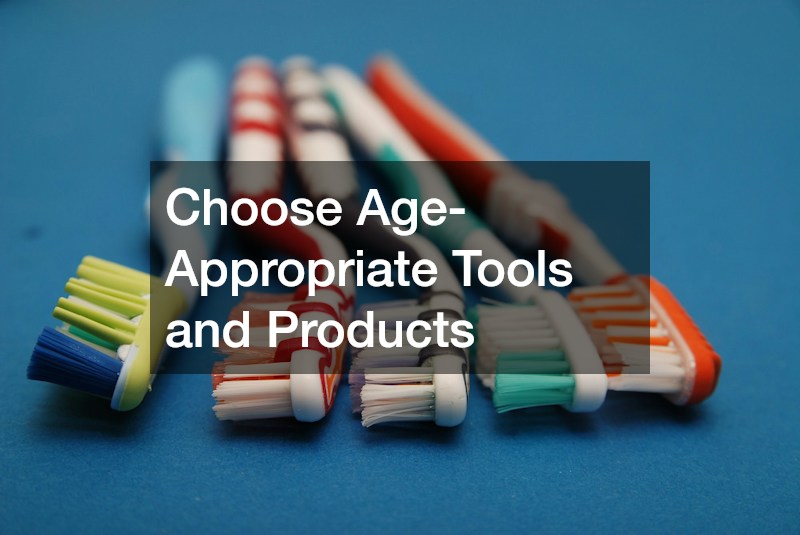
Not every toothbrush or toothpaste works for every age group, and using the wrong product can actually discourage good habits. Toddlers need a pea-sized amount of fluoride toothpaste and a soft-bristled brush sized for small hands, while older kids can graduate to electric brushes that make the process more engaging. Flavor matters more than parents often realize, since a toothpaste taste a child dislikes can turn brushing into a daily argument.
Involving kids in selecting their own toothbrush or toothpaste, within reasonable limits, gives them a sense of ownership over their routine. This small choice can translate into less resistance at the sink each night. Rotating in fun designs or characters periodically also helps keep younger children interested instead of bored with the process.
- Use fluoride-free toothpaste for children under two unless a dentist recommends otherwise
- Choose soft-bristled brushes for all ages to protect gums and enamel
- Consider electric toothbrushes with built-in timers for school-age kids
- Replace brush heads on electric models on the same three-month schedule
Plan Meals and Snacks With Oral Health in Mind
What your family eats has a direct impact on cavity risk, and small adjustments to snacking habits can make a noticeable difference over time. Sticky, sugary snacks like fruit gummies or dried fruit cling to teeth far longer than people expect, feeding the bacteria that cause decay. Swapping in options like cheese, raw vegetables, or nuts gives kids something satisfying without the same lingering sugar exposure.
Timing matters almost as much as the food itself. Constant grazing throughout the day keeps mouths in a near-constant acidic state, while eating meals and snacks at set times gives saliva a chance to neutralize acid and repair enamel between exposures. Water, rather than juice or flavored drinks, should be the default beverage between meals for the whole family.
- Offer cheese, yogurt, or nuts as tooth-friendly snack options
- Limit juice and sports drinks, which are often loaded with hidden sugar
- Encourage water as the primary drink throughout the day
- Avoid grazing; stick to defined snack times when possible
- Save sugary treats for mealtimes rather than standalone snacks
Schedule Routine Dental Visits for the Whole Household
Even the most diligent home routine cannot replace professional checkups, which catch problems long before they become painful or expensive. A trained eye can spot early signs of decay, misalignment, or gum issues that are invisible during everyday brushing and flossing, often during a single routine cleaning. Scheduling everyone’s appointments around the same time, such as during school breaks, can simplify logistics and reduce the number of separate trips your family needs to make each year.
Children should generally have their teeth professionally checked twice a year starting around their first birthday or first tooth, whichever comes first. These early visits are less about intensive treatment and more about building familiarity, so kids associate oral care appointments with a normal part of life rather than something to fear. Adults need the same twice-yearly rhythm, since gum disease and other issues can develop quietly without obvious symptoms.
- Book six-month checkups for every family member, adults included
- Ask about sealants for children’s molars to prevent decay in hard-to-reach grooves
- Bring a list of questions or concerns to each visit
- Keep a shared family calendar to track upcoming appointments
Address Orthodontic Needs Before They Become Bigger Problems
Crowded, crooked, or misaligned teeth are common in growing kids, and catching these issues early often means simpler, shorter treatment later. Many parents are surprised to learn that an orthodontic evaluation is recommended by around age seven, well before all permanent teeth have come in. At this stage, a specialist can identify jaw growth issues or spacing problems while there is still room to guide development with less invasive intervention.
For many families, kids braces become part of the routine sometime between ages nine and fourteen, though the exact timing depends entirely on each child’s dental development. Modern options have expanded well beyond traditional metal brackets, giving families more flexibility to choose a treatment that fits their child’s lifestyle and comfort level. Keeping up with cleaning around brackets and wires also becomes an important addition to the daily routine once treatment begins, since food traps more easily and requires extra attention.
- Schedule an orthodontic evaluation around age seven, even if teeth look straight
- Ask about early intervention options if crowding or bite issues appear
- Expect treatment timelines to vary based on individual growth patterns
- Reinforce extra brushing and flossing steps once braces are in place
- Use orthodontic wax or specialized tools to ease discomfort during adjustment periods
A healthy family smile is not the result of one big effort but the product of small, repeated habits practiced together over years. By building consistent brushing routines, smarter snacking habits, regular professional checkups, and timely orthodontic care into your family’s rhythm, you set every member up for a lifetime of better oral health. Start with one change this week, whether that is a new toothbrush schedule or booking overdue checkups, and let the rest of the routine build from there.