
Your monthly budget can take a hit from sources far less obvious than groceries or gas prices. Many homes have small, overlooked issues that quietly rack up costs month after month without ever showing up as a single big bill. Instead, they disguise themselves as slightly higher utility payments, more frequent repairs, or appliances that just never seem to work quite right. Learning to spot these warning signs early can help you catch problems before they drain your wallet further.
Rising Water Bills Without a Clear Reason
A water bill that creeps upward month after month, even though your habits haven’t changed, is one of the clearest signs something in your home needs attention. Hidden leaks inside walls, under slabs, or within irrigation lines can waste hundreds of gallons before you ever notice a puddle. These leaks often start small and worsen gradually, which is why the cost increase can feel confusing at first.
If you suspect a leak but can’t find the source, a licensed plumber can perform a pressure test or use leak-detection equipment to pinpoint the problem without tearing apart your home. Catching this early not only saves water but also prevents the kind of structural damage that becomes far more expensive to fix later.
- Check your water meter before and after a two-hour period of no water use
- Listen for running water sounds near walls or under floors
- Inspect outdoor spigots and irrigation lines for soggy patches
- Compare your last six months of water bills for an unexplained upward trend
Inconsistent Hot Water Throughout the House
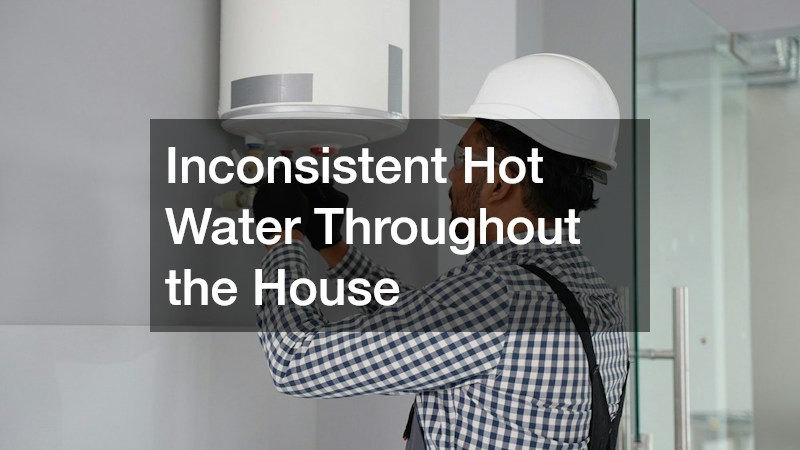
If your showers run cold faster than they used to, or different faucets produce wildly different water temperatures, your water heater may be working harder than it should. Sediment buildup inside the tank is one of the most common culprits, forcing the unit to use more energy to heat the same amount of water. Over time, this inefficiency shows up as a steady increase in your utility bill rather than one dramatic spike.
Scheduling water heater repair at the first sign of inconsistency is usually far cheaper than waiting until the unit fails completely. A technician can flush the tank, check the heating element, and test the thermostat to determine whether a simple fix will restore efficiency. Ignoring these symptoms often leads to a full replacement, which costs significantly more than routine maintenance.
- Lukewarm water that never fully heats up
- Rumbling or popping noises coming from the tank
- Water that looks rusty or has a metallic smell
- A noticeable spike in your gas or electric bill tied to water heating
Drafty Windows and Doors That Spike Heating and Cooling Costs
Air leaking around windows and doors forces your HVAC system to run longer and harder to maintain a comfortable temperature. This constant cycling adds up quickly, especially during extreme summer or winter months when the system is already under strain. Many homeowners don’t realize how much a few small gaps can affect their monthly energy spending.
A simple way to test for drafts is to hold a lit candle or a piece of tissue paper near the edges of your windows and doors on a breezy day. If the flame flickers or the tissue moves, air is escaping or entering in a way that’s costing you money. Weatherstripping, caulking, and door sweeps are inexpensive fixes that can make a noticeable difference in your utility bills.
- Visible gaps around window frames or door thresholds
- Curtains that move even when windows are closed
- Noticeably cold or hot spots near exterior walls
- Higher than expected heating or cooling bills compared to similar-sized homes
Aging Siding That Lets in Moisture and Reduces Insulation
Siding does more than protect the look of your home; it acts as a barrier against moisture and helps maintain indoor temperature stability. When siding becomes cracked, warped, or loose, it allows water to seep behind the surface, which can lead to mold growth, wood rot, and reduced insulation效果 over time. This kind of damage often develops slowly, making it easy to overlook until energy bills or repair costs climb.
Experienced siding contractors can assess whether your exterior is still doing its job or whether it’s quietly letting conditioned air escape and moisture creep in. Replacing damaged sections early is typically far less expensive than addressing water damage to the underlying structure. Many homeowners are surprised to learn how much a home’s exterior condition influences its monthly energy performance.
- Warped, cracked, or loose siding panels
- Peeling paint or bubbling on interior walls near exterior sides
- Visible mold or mildew along the base of the house
- Rooms that feel drafty despite having updated windows
Appliances and Systems That Run Longer Than They Should
Older or poorly maintained appliances often work overtime to deliver the same results, quietly increasing your electricity usage. A refrigerator with a failing seal, a dryer with a clogged vent, or an HVAC system overdue for service can all consume significantly more energy than a well-maintained unit. These inefficiencies rarely show up as an obvious malfunction, which is exactly why they go unnoticed for so long.
Tracking how long your major appliances run during a typical cycle can help you spot problems before they become costly. If your dryer takes two cycles to dry a load that used to take one, or your air conditioner runs constantly without reaching the set temperature, something is likely off. Routine maintenance checks can extend the life of these systems while keeping your monthly costs predictable.
- Appliances that feel hot to the touch during normal operation
- Cycles that take noticeably longer than they used to
- Unusual noises during operation
- A rising electric bill despite no change in usage habits
Small, easy-to-miss issues are often the biggest reason a household budget feels tighter than it should. By paying attention to water bills, hot water consistency, drafts, exterior condition, and appliance performance, you can catch costly problems while they’re still manageable. Addressing these signs early not only protects your monthly budget but also helps preserve the long-term value of your home. Taking a proactive approach today can save you from much larger expenses down the road.