

Home renovations can completely transform a living space, improve comfort, and increase property value. However, a successful remodel depends largely on the professionals you hire. From structural upgrades to finishing touches, coordinating multiple trades requires careful planning, thorough research, and clear communication. Without the right approach, projects can quickly experience delays, budget overruns, or subpar workmanship.
This guide provides homeowners with actionable steps for hiring and managing renovation contractors. By following these strategies, you can ensure high-quality results, minimize risks, and enjoy a smooth remodeling process.
1. Identify Your Renovation Needs and Priorities

Before engaging any contractors, it’s critical to establish a detailed understanding of what your renovation will entail. Defining your needs and priorities at the outset ensures that every professional you hire is aligned with your vision and that your project runs smoothly from start to finish.
Assess your home thoroughly: Begin by walking through each area of your home, noting spaces that need repair, updating, or complete renovation. Focus on both functional issues and aesthetic improvements. For example, outdated kitchens may have inefficient layouts, old appliances, or insufficient storage, while bathrooms may suffer from water damage, outdated fixtures, or poor ventilation. Floors that are cracked, warped, or worn can detract from the overall appearance and functionality of a room. Pay attention to hidden issues as well, such as poor insulation, drafty windows, or outdated electrical systems, since these can affect both comfort and energy costs.
Prioritize projects strategically: Once you’ve identified potential improvements, determine which areas are most critical to address first. Are you aiming to improve energy efficiency, enhance living space, or boost curb appeal? High-priority projects might include structural repairs, HVAC updates, or plumbing upgrades, while lower-priority tasks could involve cosmetic updates like painting or minor landscaping. Establishing clear priorities helps guide budgeting decisions and informs the sequencing of work, ensuring that the most impactful changes are addressed early in the project.
Consult a local remodeling contractor: Engaging a local remodeling contractor during the planning phase can provide valuable insight. They can offer an objective assessment of your home, point out potential challenges, and suggest improvements you may not have considered. A professional can also help you determine which projects are feasible within your budget and timeframe, preventing unnecessary expenditures or unrealistic expectations. Their experience allows them to recommend cost-effective solutions, alternative materials, or design modifications that maximize both functionality and aesthetics.
Tips for identifying needs and setting priorities:
-
Create a comprehensive checklist: List all areas needing attention along with specific desired upgrades. This provides a clear reference when consulting contractors and comparing quotes.
-
Document existing conditions: Take photos of each room or area to visually track progress, identify potential problem areas, and communicate effectively with contractors.
-
Consider long-term goals: Think about resale value, energy efficiency, and lifestyle improvements to prioritize projects that deliver lasting benefits.
-
Review feasibility and cost: Discuss potential limitations, structural requirements, and cost-saving opportunities with your remodeling contractor to ensure that your plan is realistic and achievable.
By investing time upfront to assess your home, prioritize projects, and consult a remodeling professional, you create a structured roadmap for your renovation. This proactive approach minimizes surprises, ensures that your investment is focused on areas of greatest impact, and lays the foundation for a well-organized, successful remodeling project.
2. Research and Vet Potential Contractors

Finding the right contractors is one of the most important steps in ensuring a successful home renovation. Every contractor brings a different level of skill, reliability, and professionalism, so thorough research and careful vetting are essential before signing any agreements.
Seek recommendations: Start by asking friends, family, neighbors, or local community groups for referrals. Personal experiences often provide insights that aren’t visible in online portfolios or advertisements. Pay attention to the specifics of each recommendation: were deadlines met, were costs transparent, and was the work completed to a high standard? Collecting multiple referrals allows you to create a shortlist of trusted contractors who have a proven track record in your area.
Evaluate online presence: In addition to word-of-mouth referrals, review contractors’ websites, social media accounts, and customer review platforms. Look for portfolios showcasing completed projects similar to yours and pay attention to consistency and quality of work. Reviews can reveal strengths such as punctuality, professionalism, or attention to detail, as well as weaknesses like poor communication or missed deadlines. Cross-referencing multiple sources helps build a comprehensive understanding of a contractor’s reputation.
Check experience in specialized trades: Different renovation tasks require different expertise. For example, if your project involves roofing or painting, it’s crucial to evaluate professionals in those specific areas. Roofing services should be licensed and experienced with the materials and climate conditions common in your region, ensuring that repairs or installations withstand local weather patterns. Likewise, a painting contractor must demonstrate expertise in both interior and exterior finishes, including surface preparation, paint application, and color selection for durable and visually appealing results. Confirming experience in the relevant trade helps reduce mistakes and ensures quality workmanship.
Verify credentials and insurance: Always confirm that contractors are properly licensed, bonded, and insured. This protects you from liability in the event of accidents, property damage, or injuries during the project. Insurance coverage is particularly important for trades that involve heavy equipment, structural changes, or hazardous materials. Licensing also ensures that contractors meet local regulatory standards and adhere to building codes, which is critical for passing inspections and avoiding fines.
Tips for vetting contractors:
-
Request multiple references and contact past clients to inquire about their experiences, challenges encountered, and satisfaction with the work.
-
Ask for examples of recent projects that are similar in scope or style to yours to assess capability and craftsmanship.
-
Confirm permit and inspection handling, ensuring the contractor manages required documentation for compliance with local building codes.
-
Look for clear communication, transparency in processes, and responsiveness during initial interactions, as these traits often reflect how the contractor will operate during your project.
Thoroughly researching and vetting contractors reduces the risk of hiring unqualified professionals and establishes a strong foundation for a successful renovation. By combining personal referrals, online research, trade-specific evaluation, and verification of credentials, homeowners can confidently select contractors who are skilled, reliable, and aligned with the project’s goals.
3. Compare Estimates and Understand Costs

Understanding costs upfront helps homeowners make informed decisions and avoid budget surprises.
- Request detailed quotes: Ask contractors to provide itemized estimates including labor, materials, permits, and contingency costs.
- Evaluate trade-specific costs: For flooring projects, review quotes from flooring contractors, while plumbing upgrades should be evaluated with your local plumbing contractor.
- Compare apples to apples: Ensure all quotes include the same scope, materials, and timelines. Avoid choosing the lowest bid without considering experience and quality.
- Budget for unexpected expenses: Renovations often reveal hidden issues, so include a contingency fund of 10–15% of the total budget.
Tips for managing costs effectively:
- Prioritize projects according to impact and urgency.
- Request alternative material options for cost savings without compromising quality.
- Keep all estimates and contracts organized for easy reference.
Comparing estimates carefully helps ensure that your budget is realistic and that you hire contractors who provide the best value for the work required.
4. Check Credentials, Insurance, and Permits
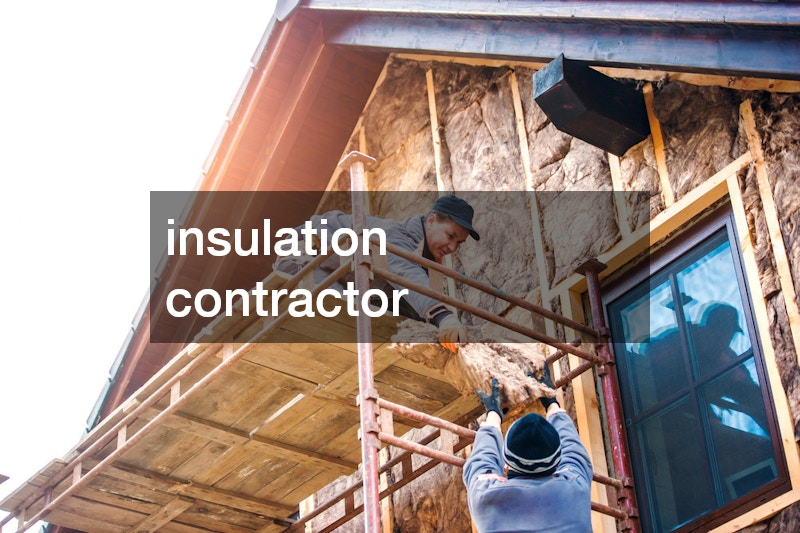
Safety and compliance should always be top priorities when hiring renovation professionals.
- Verify licensing and insurance: Ensure that all contractors, including HVAC contractors and insulation contractor, are licensed to perform their trade in your area and carry liability insurance. This protects you in the event of accidents or damage.
- Confirm adherence to building codes: Contractors must follow local regulations, especially for HVAC, insulation, electrical, and structural work.
- Ensure permits are obtained: Major renovations often require permits for plumbing, electrical, or structural changes. A licensed contractor will typically handle this process.
Tips for ensuring compliance and safety:
- Ask contractors to provide proof of license and insurance before signing a contract.
- Consult your local building department for guidance on required permits.
- Keep copies of all permits and inspections for your records.
Confirming credentials and permits minimizes liability risks and ensures that the work meets professional standards.
5. Conduct Interviews and Ask the Right Questions
A face-to-face or virtual interview helps homeowners gauge communication skills, professionalism, and compatibility with their project.
- Prepare specific questions: Ask about experience with similar projects, estimated timelines, material recommendations, and subcontractors used.
- Evaluate trade expertise: Consider hiring painting companies for large-scale interior or exterior work and concrete companies for driveways, patios, or foundations.
- Assess problem-solving skills: A good contractor should offer practical solutions to potential issues and provide clear explanations.
Sample interview questions:
- Can you provide references for projects similar to mine?
- How do you handle unforeseen issues or delays?
- What warranties or guarantees do you offer on labor and materials?
- Who will supervise the work on-site, and how often will they be present?
Conducting thorough interviews ensures that you hire professionals who are competent, reliable, and aligned with your project goals.
6. Review Contracts and Establish Clear Agreements
Contracts are essential to protect both parties and prevent misunderstandings during the renovation process.
- Detail scope and deliverables: Clearly outline the work to be done, materials, timelines, and payment schedules.
- Include remodeling contractor oversight: A local remodeling contractor can help review or draft contracts to ensure clarity and compliance.
- Clarify change orders: Define how any modifications to the original plan will be handled, including costs and approval processes.
- Document warranties and guarantees: Ensure labor, materials, and appliances are covered for a specified period.
Contract tips for homeowners:
- Avoid verbal agreements; everything should be in writing.
- Include deadlines, penalties for delays, and termination clauses.
- Ensure both parties sign and receive copies of the contract.
A well-structured contract minimizes disputes and provides a clear framework for the project from start to finish.
7. Plan a Detailed Schedule and Timeline
Coordinating multiple contractors is key to avoiding delays and keeping the project on track.
- Create a master schedule: Map out each stage of the project, from demolition and structural work to finishing touches.
- Sequence work strategically: Ensure roofing services are completed before interior renovations to prevent water damage, and schedule flooring contractors after painting and drywall work to avoid scratches or debris damage.
- Include buffer time: Account for weather, material delays, or unexpected issues.
- Coordinate subcontractors: Ensure that trades like plumbing, HVAC, and electrical do not overlap in ways that impede progress.
Tips for timeline management:
- Use project management tools or calendars to track progress.
- Hold regular check-ins with contractors to adjust schedules as needed.
- Communicate clearly about deadlines and milestones to maintain accountability.
A carefully planned timeline ensures that all contractors can work efficiently, reducing downtime and avoiding conflicts.
8. Monitor Work Quality and Progress
Regular oversight is crucial to maintain high standards and catch issues before they escalate.
- Conduct site visits: Check progress daily or weekly to ensure work aligns with plans and quality expectations.
- Inspect specialized work: Review installations performed by HVAC contractors and insulation contractor to ensure safety, efficiency, and code compliance.
- Keep detailed records: Take photos, maintain notes, and track daily progress for accountability.
Quality monitoring tips:
- Address issues immediately rather than waiting for project completion.
- Encourage open communication and regular updates from contractors.
- Conduct walkthroughs at the end of each project phase to verify work quality.
Consistent oversight protects your investment and ensures that the finished project meets your expectations.
9. Coordinate Landscaping and Exterior Finishes
Exterior work is often completed near the end of a renovation and requires careful coordination with other trades.
- Plan outdoor improvements: Include patios, driveways, gardens, and decks.
- Hire landscape companies to manage grading, planting, or hardscaping efficiently.
- Schedule painting companies for exterior finishes after landscaping and structural work are complete to prevent damage to freshly painted surfaces.
- Protect completed work: Use barriers or coverings to safeguard landscaping and exterior surfaces during construction.
Tips for exterior coordination:
- Align exterior schedules with interior completion to minimize disruption.
- Confirm that exterior contractors are licensed and insured.
- Discuss cleanup and maintenance responsibilities with your team.
Proper sequencing ensures that both interior and exterior renovations are completed without interference or damage.
10. Evaluate the Project and Plan for Maintenance
Even after the renovation is complete, ongoing maintenance is key to preserving your investment.
- Conduct a final walkthrough: Check all work against the contract and punch list to ensure everything meets specifications.
- Inspect specialized areas: Review work performed by concrete companies for durability and by local plumbing contractor for leaks or compliance issues.
- Document warranties: Keep records of materials, labor, and service guarantees for future reference.
- Establish a maintenance plan: Schedule inspections for HVAC systems, roofing, flooring, and painted surfaces to prolong longevity.
Maintenance tips:
- Create a seasonal or annual checklist for all systems and finishes.
- Keep contractor contacts handy for follow-up work or emergencies.
- Address minor repairs promptly to avoid major issues later.
Ongoing attention and proactive maintenance ensure that your renovation continues to provide value, comfort, and safety for years to come.
Hiring the right contractors is the cornerstone of a successful home renovation. By assessing your needs, researching and vetting professionals, comparing estimates, verifying credentials, and coordinating schedules effectively, homeowners can ensure high-quality results and minimize stress.
Careful oversight during the project, combined with thorough final inspections and a proactive maintenance plan, protects your investment and ensures that every upgrade—from structural work to finishing touches—meets your expectations. With the right approach, your home renovation can enhance comfort, functionality, and value while providing a safe and enjoyable living environment.