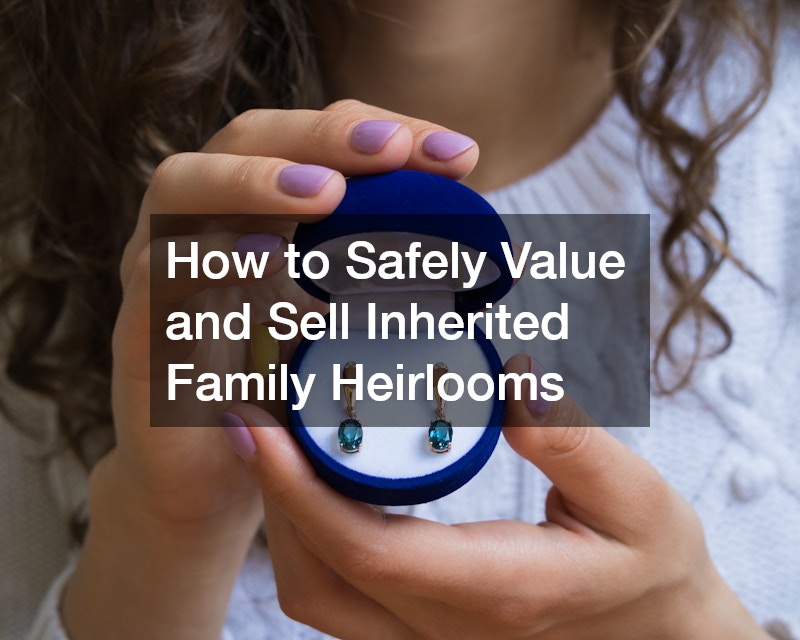

Inheriting family heirlooms is rarely a straightforward experience. When a loved one passes away or downsizes, the items they leave behind are often imbued with decades of memories, unspoken family histories, and a profound sense of emotional weight. Navigating an inherited estate means confronting a complex intersection of grief, nostalgia, and practical reality. You are not simply looking at inanimate objects; you are looking at the physical remnants of a life lived. This profound emotional connection can make the prospect of parting with these items feel overwhelming, and for many, it carries a misplaced sense of guilt.
However, it is vital to reframe the narrative around letting go of physical items. Selling pieces you do not use, wear, or have space for is not a betrayal of your loved one’s memory. In many cases, it is quite the opposite. Unused items tucked away in dusty attic boxes or locked in dark safe deposit boxes serve very little purpose. By liquidating these assets responsibly, you can transform static objects into dynamic opportunities. The funds raised from selling inherited pieces can be channeled into meaningful life goals that truly honor a loved one’s legacy. Whether that means funding a child’s college education, securing a down payment on a first home, paying off debilitating debt, or taking a transformative family trip, the financial proceeds can breathe new life into your family’s future.
This comprehensive guide is designed to serve as your roadmap through the often-intimidating world of estate liquidation. Over the course of this article, we will cover everything from the initial emotional and physical sorting process to hiring independent professionals for accurate valuations. We will explore how to navigate various selling avenues safely, ensuring you are protected from predatory buyers and hidden fees. By the end of this journey, you will have the knowledge, confidence, and strategic framework necessary to make informed decisions that respect both your family’s past and your financial future.
Categorize and Document Every Piece Before Taking Action
Before you even think about reaching out to buyers or packing items into your car, you must establish a meticulously organized baseline. When dealing with a large volume of inherited items, the sheer chaos can lead to costly mistakes. The first actionable step is to create a staging area in your home—preferably a spare room or a large dining table that can be dedicated to this project for several weeks. Begin by sorting your items into distinct categories based on material, assumed era, and general condition. Create physical zones for different types of heirlooms.
You should separate heavy, ornate metal pieces like antique gold from fragile vintage textiles, mid-century furniture, or everyday household silver-plated wares. Keeping categories distinct prevents delicate items from being damaged and helps you visualize exactly what you have. Once your items are sorted into logical groups, it is time to build a comprehensive inventory. Do not rely on your memory; create a detailed spreadsheet to track every single piece of value.
To create an effective heirloom inventory spreadsheet, include the following columns:
-
Item Number: Assign a sequential number to every item for easy reference.
-
Brief Description: Include colors, materials, and distinct features.
-
Dimensions and Weight: Measure the item and, if possible, weigh it using a highly accurate digital kitchen or postal scale.
-
Noted Condition: Be honest about any chips, scratches, tarnishing, or missing components.
-
Location Found: Note where in the estate the item was discovered, which can sometimes provide clues about its importance to the deceased.
-
Any Known Family History: Jot down the lore associated with the piece, even if it is just a rumor, as provenance can occasionally impact value.
Once the spreadsheet is formatted, you must move on to photographic documentation. High-quality photographs are your ultimate insurance policy against loss, theft, or unethical practices by third parties. You do not need professional equipment; a modern smartphone camera is perfectly sufficient if used correctly. Ensure you are photographing items in bright, indirect natural light to avoid harsh shadows and color distortion. Take multiple angles of every item: the front, back, top, bottom, and sides.
Most importantly, use your camera’s macro setting or hold a jeweler’s loupe over the lens to capture extreme close-ups of specific identifiers. You must photograph maker’s marks, purity stamps, signatures, and the intricate settings of inherited diamond rings to establish a concrete visual record before handing them over to any appraiser or buyer. If an item is lost or damaged while out of your possession, these time-stamped photographs, combined with your detailed spreadsheet, will be essential for filing police reports or insurance claims.

Hire Certified Appraisers to Establish True Market Value
One of the most common and costly mistakes inheritors make is conflating different types of value. When you are looking to sell, the only number that truly matters is the Fair Market Value (FMV). This is defined as the price at which the property would change hands between a willing buyer and a willing seller, neither being under any compulsion to buy or sell and both having reasonable knowledge of relevant facts. This is drastically different from Retail Replacement Value, which is the heavily inflated number used for insurance purposes. If you find an old appraisal document in your loved one’s files stating an item is “worth” $10,000 for insurance, do not expect to receive anywhere near that amount when selling. Understanding this discrepancy early on is vital for managing your expectations.
To find the true Fair Market Value, you must seek out independent, certified appraisals. It is highly advisable to hire fee-only appraisers who charge by the hour or by the piece. You want an objective professional whose sole job is to evaluate the item, not someone who wants to purchase it from you. Relying solely on retail jewelers for a verbal estimate can be risky, as they might have a direct conflict of interest if they want to buy the pieces themselves at a steep discount to resell in their shop. Look for appraisers who hold credentials from recognized organizations, such as the American Society of Appraisers (ASA) or the International Society of Appraisers (ISA). For gemstones, ensure the appraiser is a Graduate Gemologist (GG) certified by the Gemological Institute of America (GIA).
When managing a diverse estate, recognize that a single generalist appraiser will not have the depth of knowledge required for every category. Highly specific, collectible items demand niche expertise.
-
Fine Art: Requires experts who understand specific artists, historical periods, and provenance verification.
-
Antique Furniture: Needs specialists who can identify original patinas, period-correct joinery, and historical alterations.
-
Numismatics: General appraisers often evaluate currency based solely on metal weight, completely missing historical premiums. You should highly recommend consulting a certified coin dealer to properly grade and value any numismatic currency collections, as the difference between a pristine and a slightly circulated grade can mean thousands of dollars.
-
Rare Books and Ephemera: Requires archivists who understand edition histories, bindings, and the current literary collector’s market.
When you hire these professionals, ask for a written appraisal report specifically designated for “resale or liquidation purposes.” This document will give you the factual grounding you need to negotiate confidently.
Match Your Items with the Right Specialized Buyers
Armed with a documented inventory and professional appraisals, you are finally ready to enter the market. The golden rule of selling heirlooms is to never accept the very first offer you receive, no matter how convenient it seems. The secondary market is highly subjective, and prices can fluctuate wildly depending on a buyer’s current inventory, their customer base, and their overhead costs.
Your initial strategy should be to shop around your immediate area to gauge local demand. Take the time to gather multiple in-person quotes. A sound approach is to take fine estate pieces to at least three reputable local jewelry stores to compare offers and leverage them against one another. If Store A offers $500, you can walk into Store B and confidently state that you already have a standing offer of $500, asking if they can beat it. This competitive approach forces buyers to give you their best possible price right out of the gate.
However, you must be strategic about where you take specific items. Generalist buyers, while convenient, are rarely the most profitable route for rare or highly specialized collectibles. Specialized items require specialized buyers because these individuals have direct access to the specific collectors who are willing to pay top dollar.
-
Vintage Watches: Take these to horology forums, specialized auction houses, or dedicated vintage watch brokers who care about the movement, original dials, and brand history.
-
Rare Currency and Bullion: Avoid taking historically significant currency to a general scrap buyer. You should take rare currency to a dedicated coin buyer who will pay a premium for rarity, mint marks, and historical significance, rather than just melting it down for its raw material weight.
-
Designer Handbags and Couture: Utilize high-end fashion consignment services that offer authentication and have a global audience of luxury buyers.
Before handing over your items to any buyer, you must perform rigorous due diligence to vet their credibility.
-
Check the Better Business Bureau (BBB): Look for a long-standing A+ rating and read through any complaints to see how the business handles disputes.
-
Read Independent Reviews: Look beyond the testimonials on their own website. Scour Google, Yelp, and Trustpilot for patterns of negative behavior, such as bait-and-switch pricing or high-pressure sales tactics.
-
Verify Professional Affiliations: Trustworthy buyers are usually members of industry organizations that require adherence to strict ethical codes of conduct.
-
Demand Transparent Processes: A reputable buyer will evaluate your items right in front of you, explain their valuation process step-by-step, and never take your items into a back room out of your sight.
Navigate the Scrap Market Safely and Profitably
Not every inherited heirloom is a pristine, museum-quality antique. In fact, most estates contain a significant amount of broken chains, mismatched earrings, out-of-style settings, or items that are simply too damaged to be repaired or worn. These items still hold inherent value based entirely on their raw material content, placing them squarely in the scrap market. Navigating this market requires a completely different approach than selling fine art or intact jewelry.
The most critical step in entering the scrap market is understanding how commodities are priced. The value of precious metals fluctuates every single day based on global economic factors. Before you make any moves, you must learn to check the daily spot price of precious metals. The spot price is the current market price at which a raw ounce of a metal can be bought or sold for immediate delivery. You must track the current market commodities index so you are fully informed before you attempt to sell gold items that are broken, out of style, or unwearable. Knowing the spot price gives you a mathematical baseline; if the spot price is $2,000 an ounce, and a buyer offers you a price that equates to $800 an ounce, you instantly know you are being lowballed.
To accurately estimate your items’ scrap value at home, you need to understand karat weights and purity percentages. Pure precious metal is too soft for most functional uses, so it is alloyed (mixed) with other metals like copper, zinc, or silver for strength.
-
10k: 41.7% pure
-
14k: 58.3% pure
-
18k: 75.0% pure
-
22k: 91.6% pure
-
24k: 99.9% pure (Solid)
Armed with a magnifying glass, you should separate your items by karat weight into different bags at home, so you know exactly what you have when deciding to sell my gold to a refiner or online mail-in service. By pre-sorting and weighing your items by karat, you can use online scrap calculators to determine the exact melt value of your pile on any given day. Keep in mind that a buyer needs to make a profit, so you will never get 100% of the spot price. A fair, reputable scrap buyer will typically offer between 70% and 85% of the actual melt value.
Be acutely aware of the hidden fees and deceptive tactics used by less reputable scrap buyers.
-
The “Pennyweight” Trick: Some buyers will weigh your items in grams but quote you a price in pennyweights (dwt), a measurement system that makes the price sound higher than it is if you don’t know the conversion (1 pennyweight = 1.555 grams). Always demand to negotiate in grams.
-
Exorbitant Melt Fees: Some buyers will claim they have to charge you a massive fee to melt and refine the metal. While refining does cost money, it should be built into the percentage they offer, not slapped on as a surprise secondary fee.
-
Batch Weighing at the Lowest Karat: If you hand a buyer a mixed pile of 10k, 14k, and 18k items, an unethical buyer might weigh the entire pile together and pay you based on the 10k purity rate, effectively stealing the premium value of your higher-karat pieces. This is why pre-sorting at home is mandatory.
Evaluate Your Need for Speed Versus Top Dollar
When liquidating an inherited estate, one of the most pressing decisions you will face is balancing the urgent need for liquidity against the desire to maximize your financial return. These two goals are almost always at odds. The faster you need the money, the less money you will generally make. You must carefully evaluate your personal timeline, financial obligations, and emotional bandwidth before choosing a selling avenue.
There are legitimate scenarios where time is of the essence. You might be facing impending property tax bills on an inherited home, looming deadlines to clear out a rental apartment, or the need to quickly divide liquid assets equally among contentious siblings to avoid legal battles. In these high-pressure situations, immediate liquidity might be prioritized over getting the absolute top dollar. It is vital to understand the trade-offs of using a pawn shop, noting that while they offer cash on the spot with zero waiting period, they typically only pay a fraction of the item’s potential resale value, often as low as 20% to 40%. They are providing a service of immediate convenience, and they charge a steep premium for taking on the inventory risk.
If your need for cash is urgent but temporary, you might be tempted to seek alternatives that don’t require permanently parting with a sentimental piece. If you are struggling with cash flow but cannot bear to sell an heirloom forever, you might consider using the item as collateral for a short-term cash injection. However, you must strictly calculate the high interest rates and monthly storage fees associated with pawn loans to avoid losing the heirloom by default. These financial instruments are designed for very short-term emergencies, and rolling them over month after month can quickly result in paying more in interest than the item is actually worth, ultimately leading to forfeiture of the family treasure.
If you have the luxury of time, entirely different avenues open up that prioritize top dollar over speed. Consignment shops and auction houses are excellent options for high-value items, but they require immense patience.
-
Consignment Shops: You lend your item to a retail store, and they display it for their customers. You only get paid when the item sells. The shop will take a commission, usually between 30% and 50%. This process can take months, or the item may never sell at all. You must ensure you have a watertight contract that covers insurance while the item is in their possession.
-
Auction Houses: High-end auction houses have access to global collectors and can generate bidding wars that drive prices well above standard market value. However, the timeline is excruciatingly slow. It can take three to six months for an item to be cataloged, marketed, and finally auctioned. Furthermore, you must account for seller’s premiums (fees paid by you) and buyer’s premiums (fees paid by the winner, which can suppress how much they are willing to bid).
-
Direct Online Sales: Platforms like eBay, Ruby Lane, or specialized collector forums allow you to cut out the middleman and sell directly to the end consumer. This yields the highest profit margins but requires the most work. You must act as the photographer, copywriter, customer service representative, and shipping department. You also take on the risk of fraudulent chargebacks or shipping losses.
Conclusion
The journey of sorting, valuing, and selling the remnants of a loved one’s estate is a marathon, not a sprint. Throughout this process, patience is undeniably your greatest asset. Rushing through the physical sorting phase can lead to throwing away hidden treasures, while rushing the valuation and selling phases is the fastest way to leave significant money on the table or fall victim to predatory buyers. Take the time to breathe, consult with independent professionals, and educate yourself on the specific markets relevant to your family’s items.
Always remember to trust your instincts. The secondary market can be intimidating, and some buyers rely on high-pressure tactics or confusing jargon to make you feel as though you have no other options. If an offer feels too low, if a buyer refuses to explain their valuation process clearly, or if a situation simply feels uncomfortable, you always have the absolute right to pack up your items and walk away. You are in control of the transaction, and there is always another buyer, another appraiser, or another day to try again.
Ultimately, navigating the sale of inherited items is a deeply personal process of transition. The true value of a family heirloom does not reside in the metal, the canvas, or the wood; it resides in the memories you hold of the person who owned it. By taking a methodical, educated, and safe approach to liquidating these physical objects, you can relieve the burden of storing unused items while unlocking financial resources. Using those proceeds to pay off debt, invest in education, or create new, joyful experiences is perhaps the most profound way to honor a family legacy, ensuring that the gifts of the past continue to positively shape your future.