

A routine dental checkup might feel like an easy appointment to skip when life gets busy, but that half-hour on the chair does far more than polish your smile. It is often the moment a small, fixable issue gets caught before it turns into a root canal, an extraction, or a bill running into thousands of dollars. Understanding what actually happens during a checkup, and why dentists look for certain warning signs, can help you make smarter decisions about your health and your wallet.
This article breaks down exactly what that quick visit covers and why it matters more than most people realize.
What Happens During a Routine Dental Checkup
A standard checkup usually takes 30 to 60 minutes and includes a professional cleaning, a visual exam, and sometimes X-rays to look beneath the gumline and between teeth. The hygienist removes plaque and tartar buildup that a toothbrush cannot reach, scraping away deposits along the gumline before polishing your teeth to remove surface stains. This step alone helps prevent gum disease before it starts, since hardened tartar can’t be removed with regular brushing at home.
X-rays aren’t done at every visit, but most dentists recommend them once every one to two years to catch problems invisible to the naked eye, like decay between teeth, bone loss, or issues below the gumline. This is often where small cavities get caught before they turn into root canals.
The dentist then examines your teeth, gums, tongue, and jaw for anything unusual, from cavities to signs of grinding. They’ll check for early gum recession, measure pocket depths around each tooth to screen for periodontal disease, and inspect the soft tissue in your mouth for anything that looks abnormal. Many dentists also check your bite alignment and jaw movement, since issues here can lead to headaches or worn enamel down the road. The entire visit is designed to catch small, cheap-to-fix problems before they become large, expensive ones.
This exam is also when early cracks, worn enamel, or loose fillings get spotted, often before you feel any pain at all. Dentists use a small mirror and probe to check each tooth surface, and many offices now supplement this with digital X-rays that reveal decay hiding between teeth or beneath old fillings. They’ll also check your bite alignment and look for signs of teeth grinding, which can wear down enamel over time without you noticing.
Catching these issues early usually means a simple fix rather than an emergency procedure. A hairline crack caught during a checkup might only need a protective sealant or a small filling, costing far less than the root canal or crown required once that same crack spreads and exposes the nerve. Similarly, a loose filling identified early can be resealed in minutes, whereas a fully dislodged filling can lead to infection and a much longer, costlier repair.
The hygienist portion of the visit adds another layer of prevention, using tools to remove hardened plaque, or tartar, that a toothbrush can’t touch, especially along the gumline. This step matters because tartar buildup is a leading cause of gum disease, which, if left unchecked, can eventually contribute to tooth loss.
The entire process typically takes around 30 minutes, yet it can influence your dental health for years. Most dentists recommend scheduling this checkup every six months, though some patients with a history of gum disease or cavities may benefit from visits every three to four months instead.
How Small Problems Turn Into Expensive Emergencies
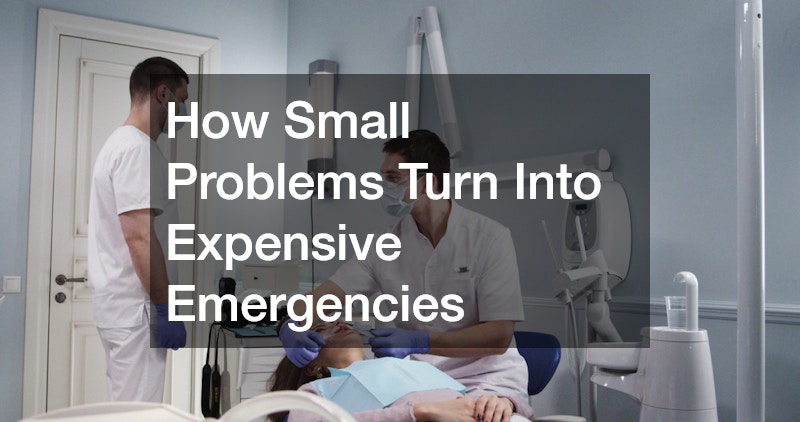
Dental issues rarely stay small if left unaddressed. A tiny cavity that could have been filled for a modest fee can spread into the tooth’s nerve, requiring a root canal and crown that cost significantly more. Gum disease follows a similar pattern, starting as mild inflammation and progressing into a condition that can loosen teeth and require surgical treatment.
- A small cavity treated early might cost a fraction of what a root canal costs later
- Untreated gum inflammation can progress to periodontitis, which may require deep cleaning or surgery
- A hairline crack ignored for months can split, sometimes making the tooth impossible to save
- Delayed treatment often means more appointments, more recovery time, and more money spent overall
Warning Signs That Should Never Wait for Your Next Appointment
Some symptoms signal that a problem is progressing faster than a routine six-month schedule can catch. Persistent tooth sensitivity, bleeding gums that do not improve, or a dull ache that lingers after eating are all reasons to call sooner rather than later. Waiting it out rarely makes these issues disappear on their own.
- Sharp pain when biting down or chewing
- Gums that bleed regularly, not just occasionally after flossing
- Visible swelling on the face, jaw, or gums
- A tooth that suddenly feels loose
- Bad breath that persists despite good oral hygiene
When Cosmetic Concerns Signal a Deeper Issue
Not every visit is about pain or emergencies. Many people first notice a problem because of how their smile looks, whether it is discoloration, chips, or gaps that seem to be widening. A local cosmetic dentist is often the one who spots the underlying structural issue behind a purely cosmetic complaint, since a chipped tooth or receding gumline can point to grinding habits or bone loss that needs attention beyond whitening or bonding.
Choosing a cosmetic dentist office for these visits also means you get an assessment of both appearance and function in one appointment. Many offices combine cosmetic evaluation with a standard oral health check, so patients do not need to schedule separate visits for concerns that overlap. This approach saves time and often catches problems that a purely cosmetic-focused visit might otherwise miss.
Why Wisdom Teeth Deserve Special Attention
Wisdom teeth are a common source of unexpected dental bills because they often cause problems long before any pain is noticeable. X-rays taken during a routine checkup can reveal impacted wisdom teeth, teeth growing at odd angles, or crowding that is pushing other teeth out of alignment. Left unmonitored, these issues can lead to infection, cyst formation, or damage to neighboring teeth.
Many people put off wisdom tooth removal because it sounds intimidating, but addressing it early, when recommended, is typically far simpler than waiting for an infection or severe pain to force the issue. A dentist who tracks these teeth over several visits can time the procedure appropriately, often preventing the need for more complex oral surgery later. Staying on top of routine checkups is one of the easiest ways to avoid a wisdom tooth emergency altogether.
How to Make the Most of Every Dental Visit
Getting real value out of a checkup means being an active participant rather than a passive patient. Ask questions about anything the dentist points out, even if it seems minor, and request clarification on any recommended treatment before agreeing to it. Keeping a consistent schedule, rather than visiting only when something hurts, is what allows small issues to be caught while they are still inexpensive to fix.
- Schedule checkups every six months unless your dentist recommends a different interval
- Mention any changes in sensitivity, pain, or appearance, even if they seem minor
- Ask for a written treatment plan if multiple issues are found
- Keep records of past X-rays and treatments to track changes over time
Conclusion
A 30-minute dental visit is a small investment of time compared to the cost, pain, and stress of an untreated dental emergency. Staying consistent with checkups, paying attention to warning signs, and addressing concerns like wisdom teeth or cosmetic changes early can save both your smile and your budget. The next step is simple: if it has been more than six months since your last visit, schedule one now rather than waiting for a problem to make the decision for you.