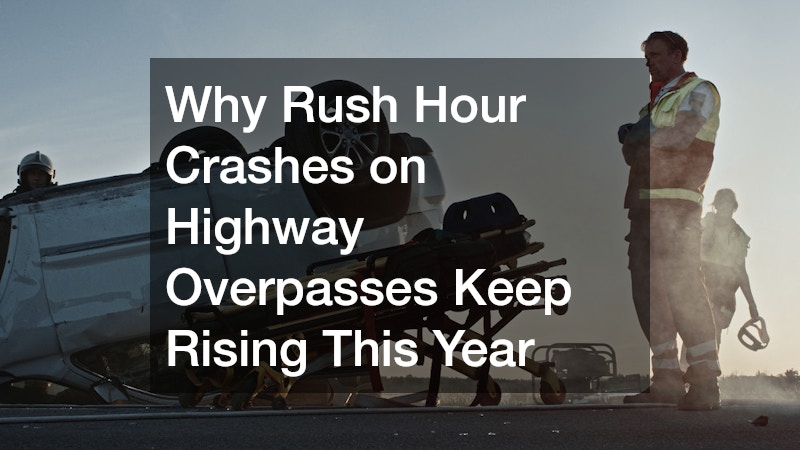

If your commute takes you over a highway overpass every morning and evening, you have probably noticed more brake lights, more fender benders, and more slowdowns than usual this year. You are not imagining it. Traffic data and local news reports across the country point to a real increase in rush hour crashes on elevated highway sections, and the reasons behind this trend are more complicated than simple bad luck. Understanding what is driving these crashes can help you protect yourself on the road and know what steps to take if you end up involved in one. This article breaks down the biggest contributing factors and what they mean for everyday drivers.
Aging Overpass Infrastructure and Delayed Repairs
Many highway overpasses in use today were built decades ago and were never designed to handle current traffic volumes. As bridges age, expansion joints wear down, drainage systems clog, and road surfaces develop cracks and potholes that become especially dangerous at highway speeds. When maintenance budgets get stretched thin, repairs are often deferred, leaving drivers to navigate uneven pavement and narrowed lanes during construction.
These physical deficiencies do not just create discomfort behind the wheel, they actively contribute to loss of vehicle control. A sudden dip or seam in the road can cause a driver to overcorrect, especially when merging or changing lanes at rush hour speeds.
- Expansion joint failures that create sudden bumps
- Faded lane markings that are hard to see in low light
- Drainage problems that lead to standing water on the overpass surface
- Guardrail and barrier damage that has not been repaired
Increased Traffic Volume on Elevated Highway Sections
More people are commuting by car again, and many metro areas are seeing traffic volumes climb back to or beyond pre-pandemic levels. Overpasses are natural bottlenecks because they typically have fewer lanes and less shoulder space than the highway sections leading up to them. When volume increases but the physical roadway does not expand, the result is more stop-and-go driving in a space that offers little margin for error.
This congestion is especially dangerous on overpasses because there is often no safe place to pull over after a collision. Vehicles involved in even a minor crash may be forced to remain in a live lane, increasing the risk of a secondary impact from oncoming traffic.
Distracted Driving During Peak Commute Hours
Rush hour is when distracted driving tends to peak, since drivers are checking navigation apps, responding to messages, or simply zoning out during a repetitive commute. On an overpass, where reaction time is already limited by higher speeds and less room to maneuver, even a two or three second glance away from the road can be the difference between a near miss and a serious collision. This pattern shows up repeatedly in crash reports involving rear-end collisions on elevated roadways.
Commercial vehicles add another layer of risk during these hours, since delivery schedules and freight demands often overlap directly with peak commute traffic. When a loaded truck cannot stop in time on a crowded overpass, the resulting crash is frequently severe enough that victims choose to consult a truck accident lawyer to understand their options for recovering medical costs and lost wages.
Weather and Visibility Challenges on Elevated Roadways
Overpasses respond differently to weather than roads at ground level. Because they are elevated and exposed on all sides, they tend to freeze faster in cold conditions and can develop black ice even when surrounding roads seem fine. Wind gusts are also stronger at height, which can push lighter vehicles and high-profile trucks out of their lane without warning.
Rain and fog compound these risks by reducing visibility right at the point where drivers most need clear sightlines to merge or slow down safely. Sun glare during certain times of day can also blind drivers heading directly into an overpass curve during the morning or evening commute.
- Bridges and overpasses freeze before adjacent roadways
- Crosswinds are stronger on elevated structures
- Reduced visibility from fog collects near water and low areas beneath overpasses
- Glare during sunrise and sunset commutes reduces reaction time
Construction Zones and Lane Shifts Near Overpasses
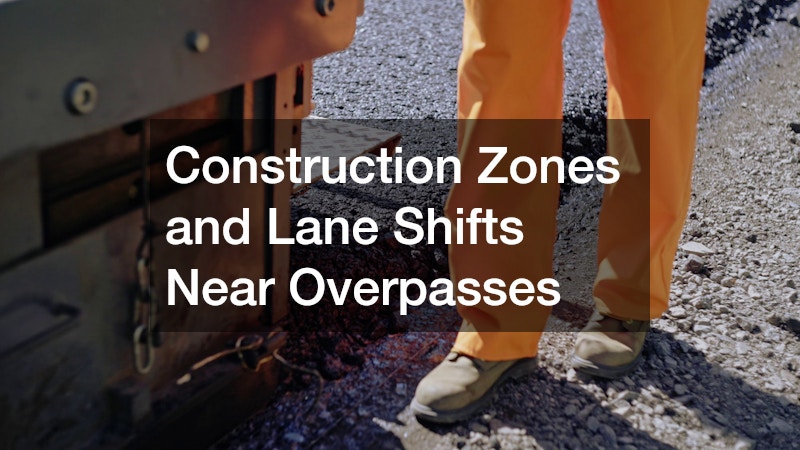
Ongoing infrastructure projects mean that many overpasses are currently operating with reduced lanes, shifted traffic patterns, or temporary barriers. These changes require drivers to adjust their usual habits, and during rush hour, sudden lane closures often trigger hard braking and last-minute merges. Confusion about which lane leads where is a common precursor to multi-vehicle pileups in these zones.
When crashes happen in active work zones, determining fault can involve multiple parties, including contractors, municipalities, and other drivers. This is one of the more complex situations where personal injury lawyers can help sort through liability questions and make sure a signage failure or contractor error is properly accounted for in a claim.
What Drivers Can Do to Reduce Overpass Crash Risk
While you cannot control infrastructure conditions or other drivers, you can adjust your own habits to lower your risk on overpasses during peak hours. Leaving extra following distance, avoiding phone use entirely during merges, and slowing down before you reach the overpass rather than on it are all simple changes that make a real difference. Checking local traffic apps before you leave can also help you avoid the worst congestion windows.
If a crash does happen despite your best precautions, documenting the scene thoroughly matters. Photos of road conditions, weather, and vehicle positions can become important evidence, and many drivers find it useful to speak with an auto accident attorney early on to understand how overpass-specific factors like poor maintenance or construction signage might affect their claim.
- Increase following distance before entering an overpass
- Avoid distractions completely during merges and lane changes
- Check traffic conditions before your commute
- Document road conditions and signage if a crash occurs
- Report hazardous overpass conditions to local transportation authorities
Rising rush hour crash numbers on highway overpasses are the result of several overlapping problems, from aging infrastructure and heavier traffic to distracted driving and unpredictable weather. While you cannot fix the roadway yourself, staying alert, adjusting your driving habits, and understanding your options after a crash can make a real difference in your safety and recovery. If you are ever involved in a collision on an overpass, taking the time to document the scene and seek proper guidance can protect both your health and your financial future. Being informed now is the best step you can take before your next commute.